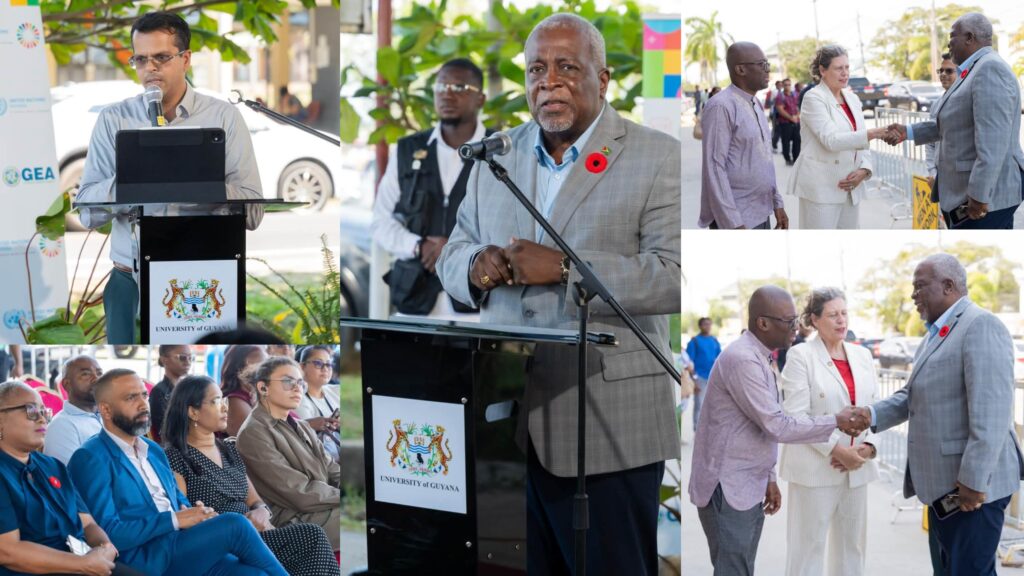
Prime Minister Brigadier (Ret’d), the Honourable Mark Phillips, has reaffirmed the Government of Guyana’s commitment to expanding renewable energy and strengthening the infrastructure and technical capacity needed to support the country’s transition to electric mobility.
The Prime Minister made the remarks on Thursday while commissioning a solar-powered electric vehicle (EV) charging facility at the University of Guyana’s Turkeyen Campus, established under the Just Energy Transition Seed Funding Initiative, financed through the United Nations Joint Sustainable Development Goals (SDG) Fund.
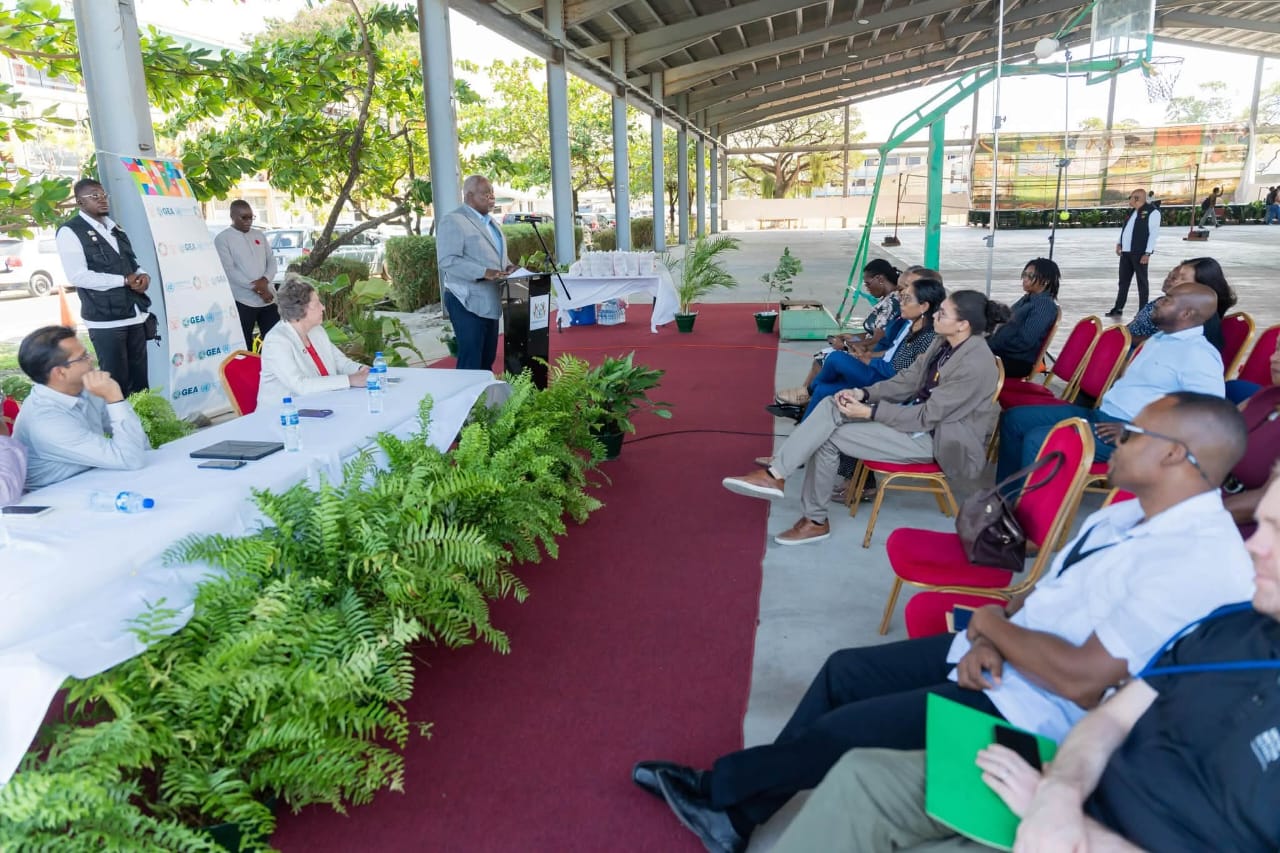


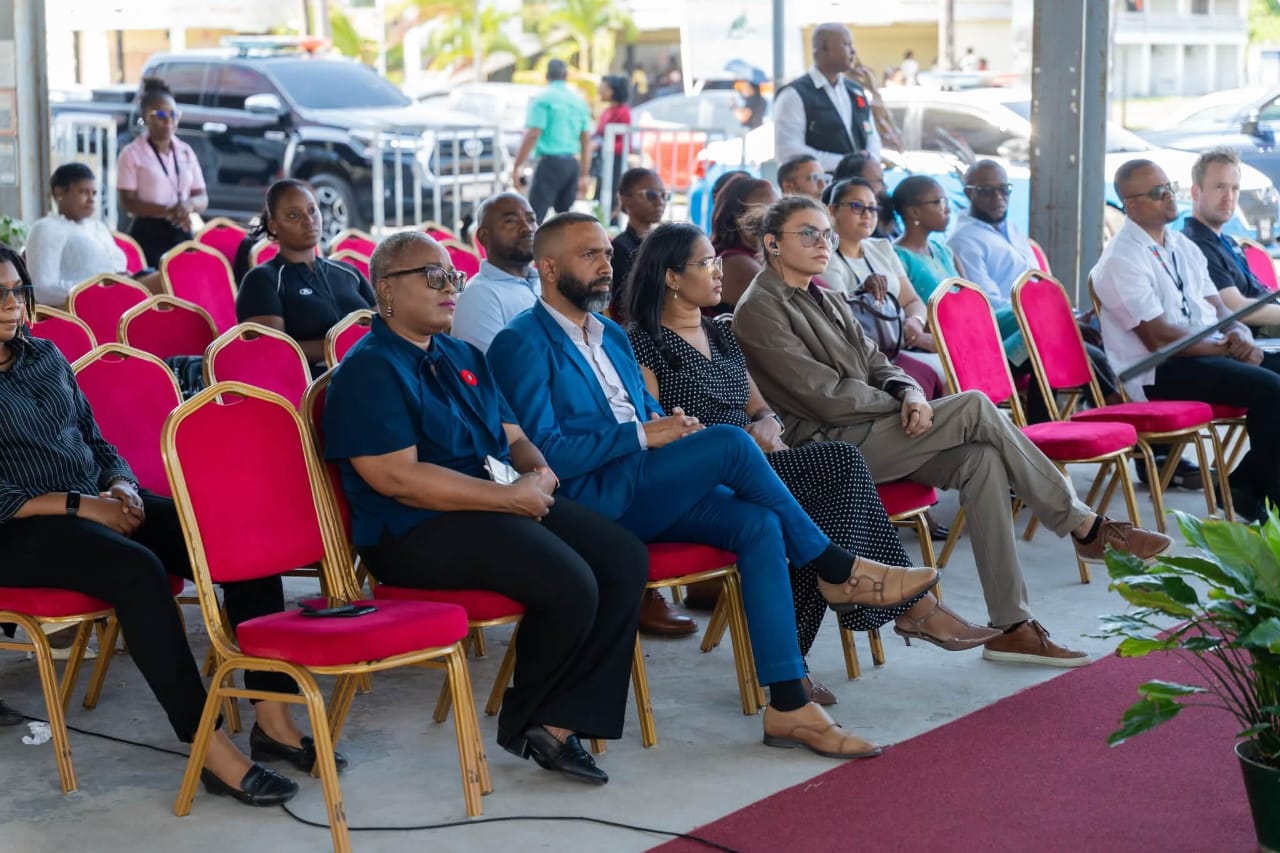

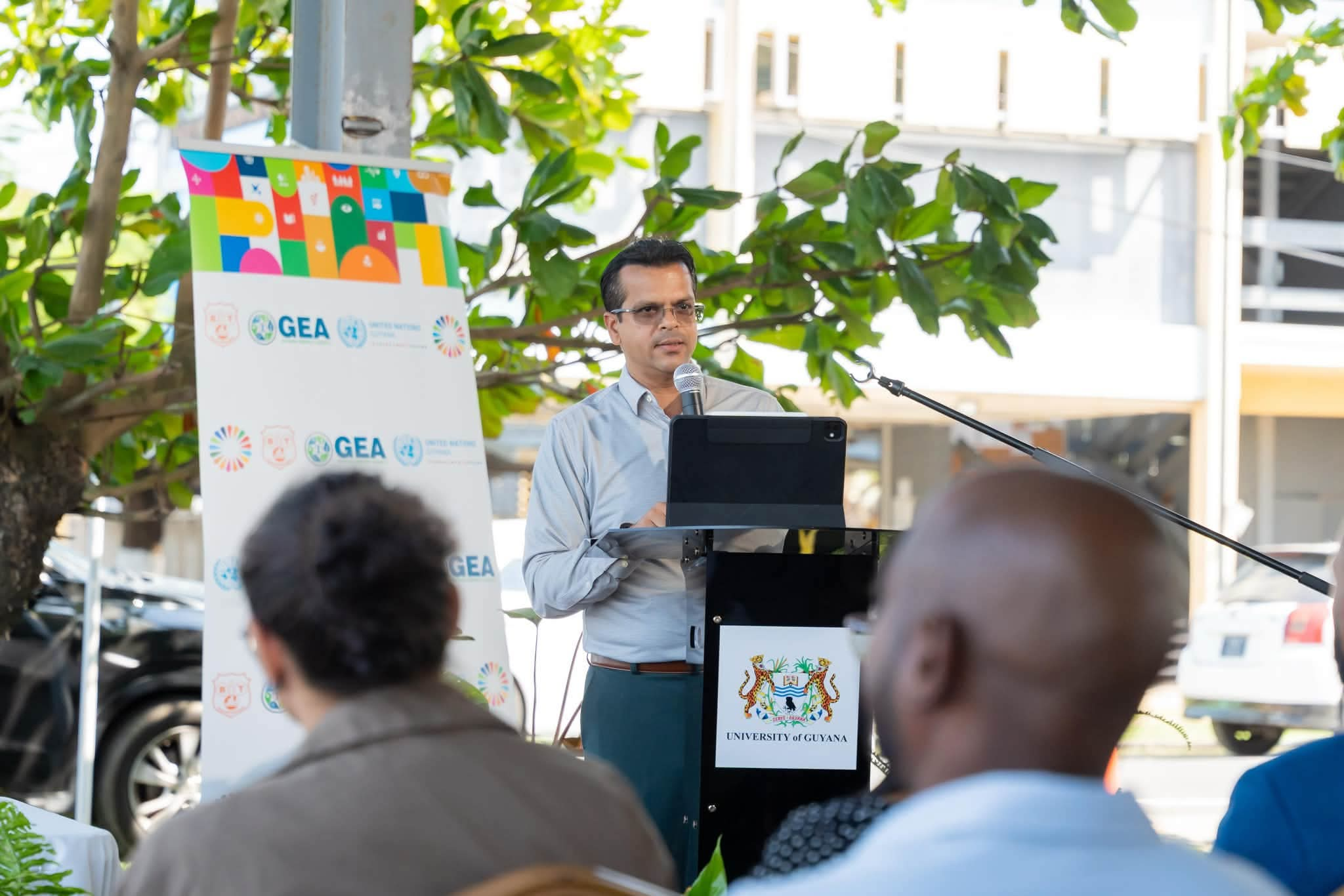

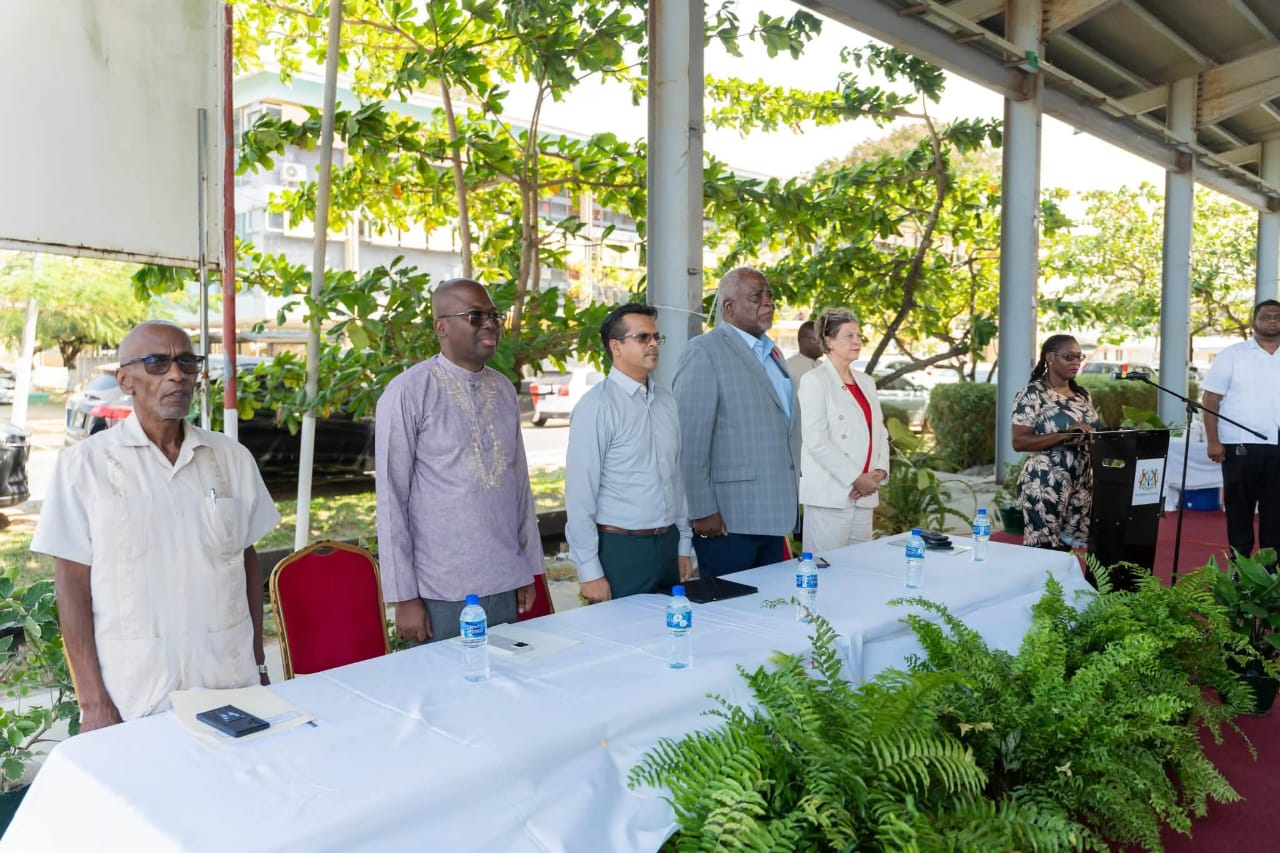
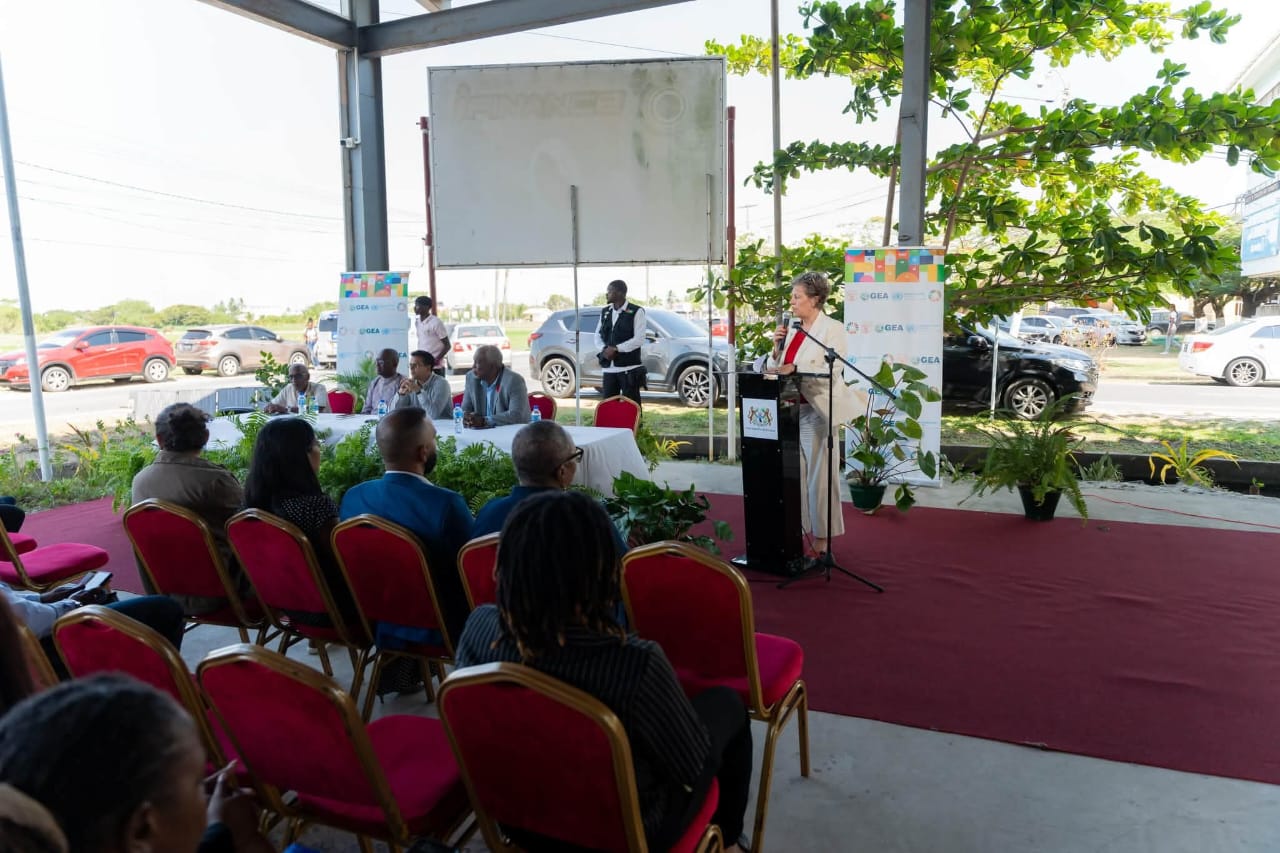
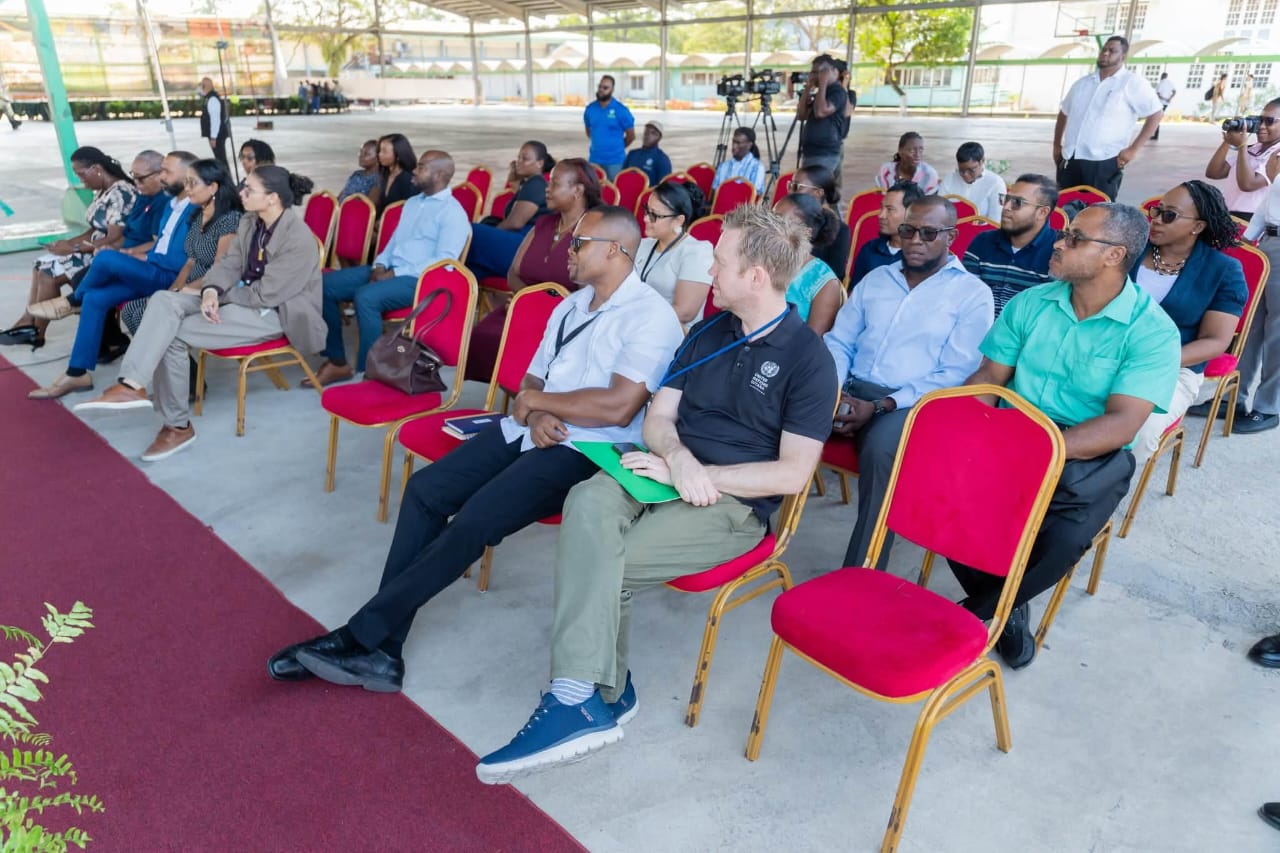
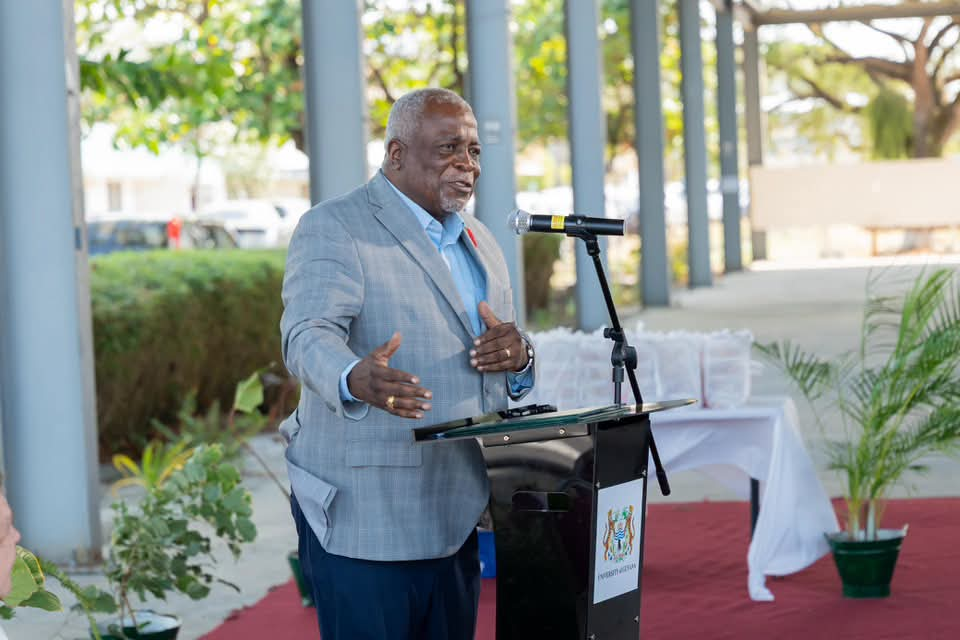
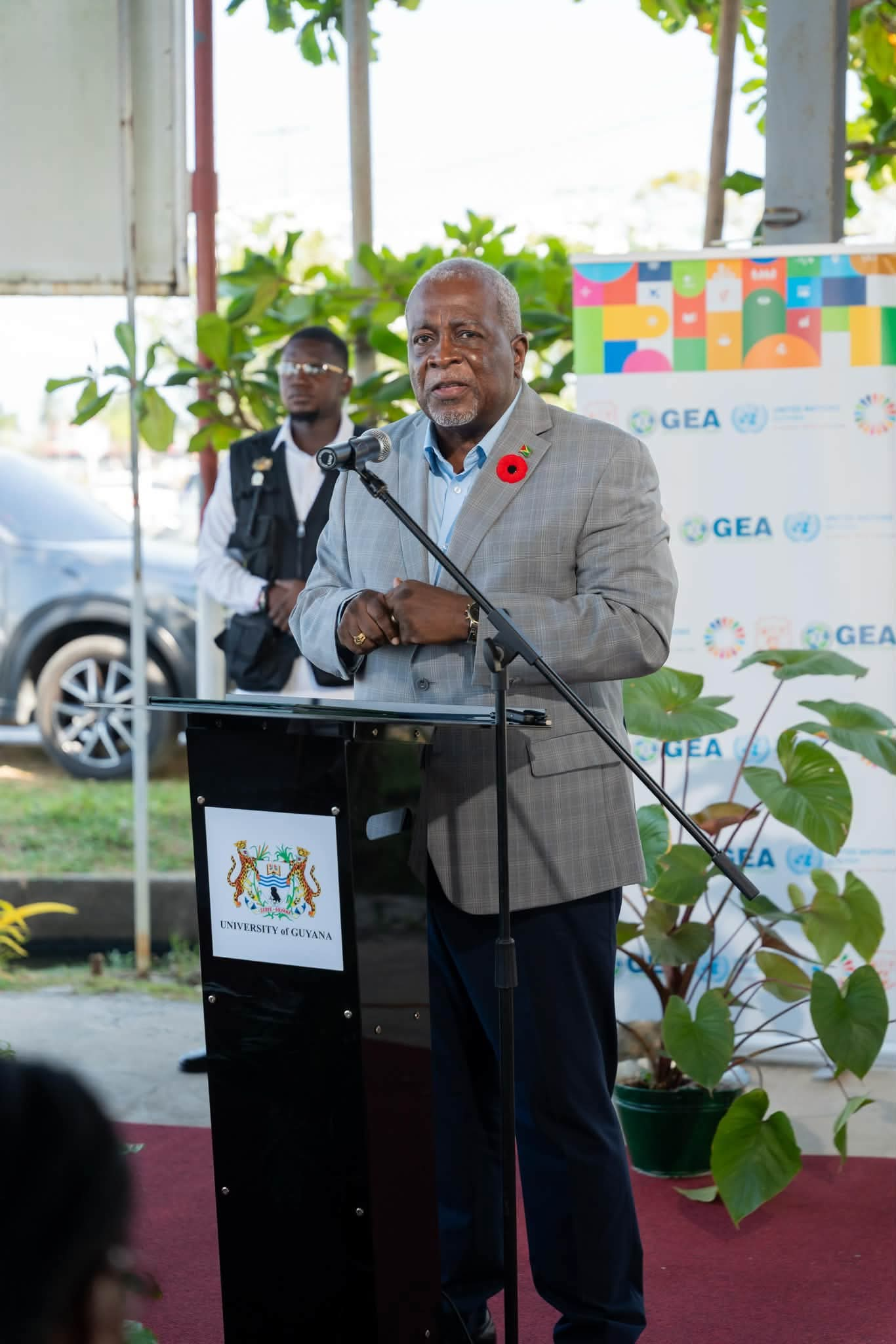
Addressing the gathering, Prime Minister Phillips emphasised the importance of collaboration in advancing renewable energy development and supporting the country’s growing electric vehicle sector.
“Today is a demonstration of both our international partners and our local agencies working together to provide the infrastructure.”
He noted that the initiative aligns with Guyana’s Low Carbon Development Strategy (LCDS) 2030, which guides the Government’s efforts to expand renewable energy access, diversify the national energy mix and promote sustainable development.
The Prime Minister highlighted the Government’s investments in renewable energy, including household and community solar systems in hinterland and remote communities, alongside larger-scale solar developments.





Turning to electric mobility, he pointed to the increasing adoption of electric vehicles in Guyana, citing figures presented by the Guyana Energy Agency (GEA) indicating that the number has grown from fewer than 200 approximately two years ago to around 1,100.
He stressed that the continued expansion of electric mobility requires corresponding investments in charging infrastructure and the development of a skilled workforce capable of servicing and maintaining electric vehicles and associated technologies.
Prime Minister Phillips also welcomed the establishment of the facility at the University of Guyana, noting that it provides an opportunity for students, technicians and future engineers to gain practical exposure to renewable energy technologies.
He explained that the installation would complement theoretical instruction by providing a working example of how renewable energy can support everyday transportation needs.
The Prime Minister further welcomed the participation of women in the initiative’s technical training component, underscoring the importance of ensuring that women benefit from opportunities emerging within the country’s renewable energy sector.
The University of Guyana installation forms part of an initiative to establish four solar-powered EV charging stations, with facilities also developed at the Mahaicony Technical and Vocational Training Centre and Linden Electricity Company Inc., and a fourth planned for the Board of Industrial Training.
The project involves collaboration among the United Nations Development Programme (UNDP), International Organisation for Migration (IOM), Guyana Energy Agency and Board of Industrial Training, supporting both charging infrastructure development and technical training.
The initiative is intended to improve access to charging facilities, encourage cleaner transportation and strengthen local capacity in green technologies, contributing to Guyana’s sustainable development objectives.
Prime Minister Phillips commended the international and local partners involved in the initiative and encouraged the University of Guyana to utilise the facility as both a charging station and a practical teaching resource.
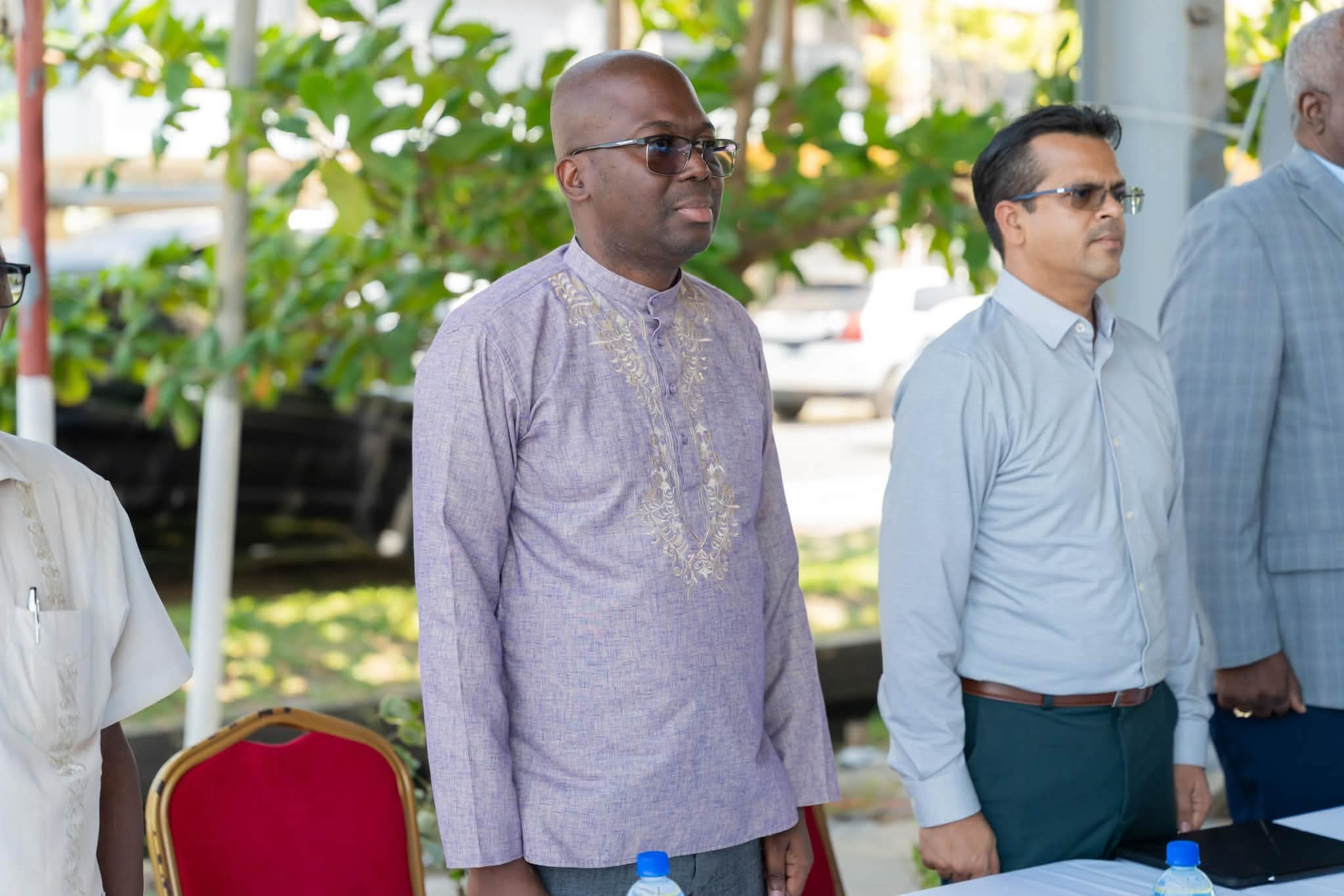
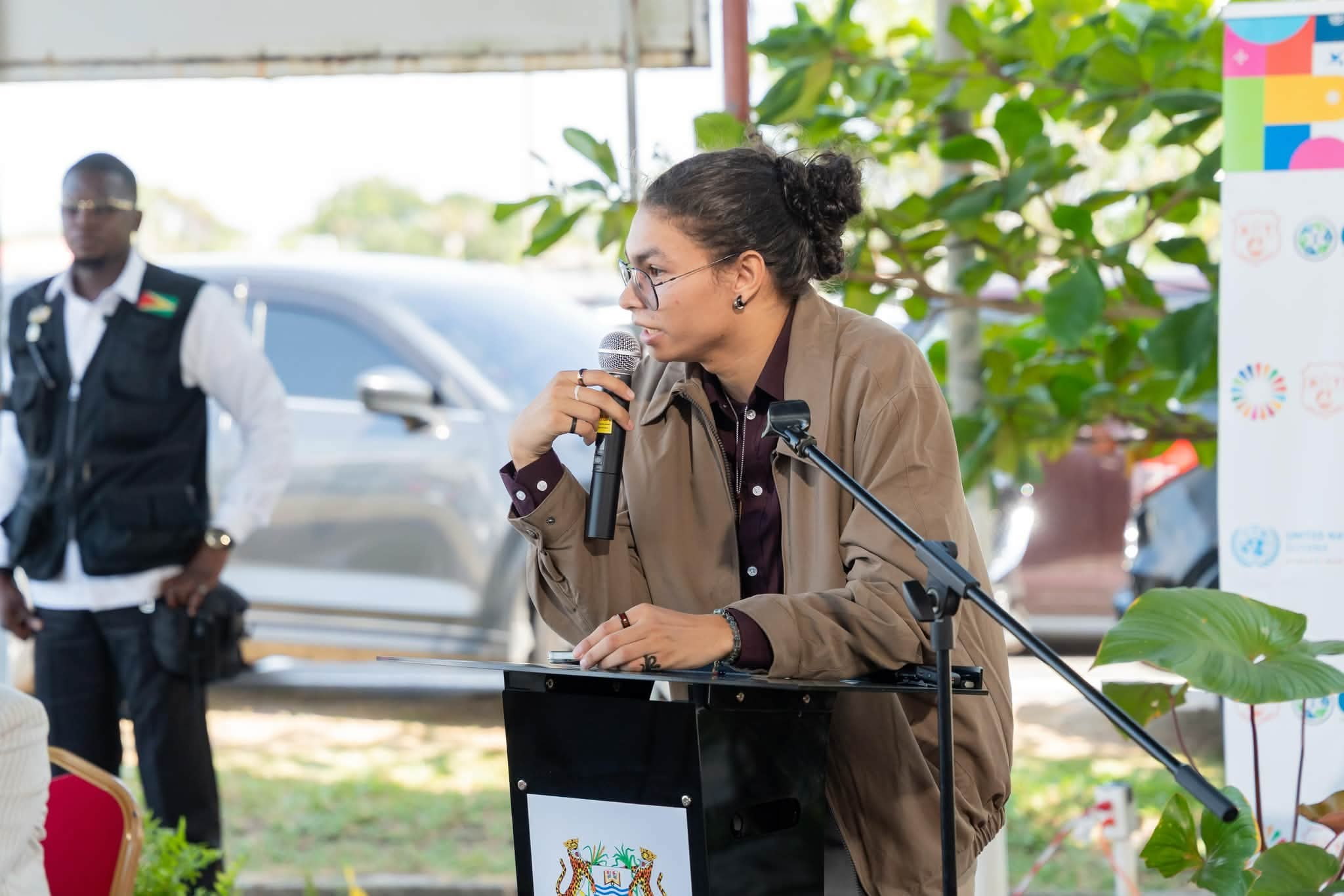
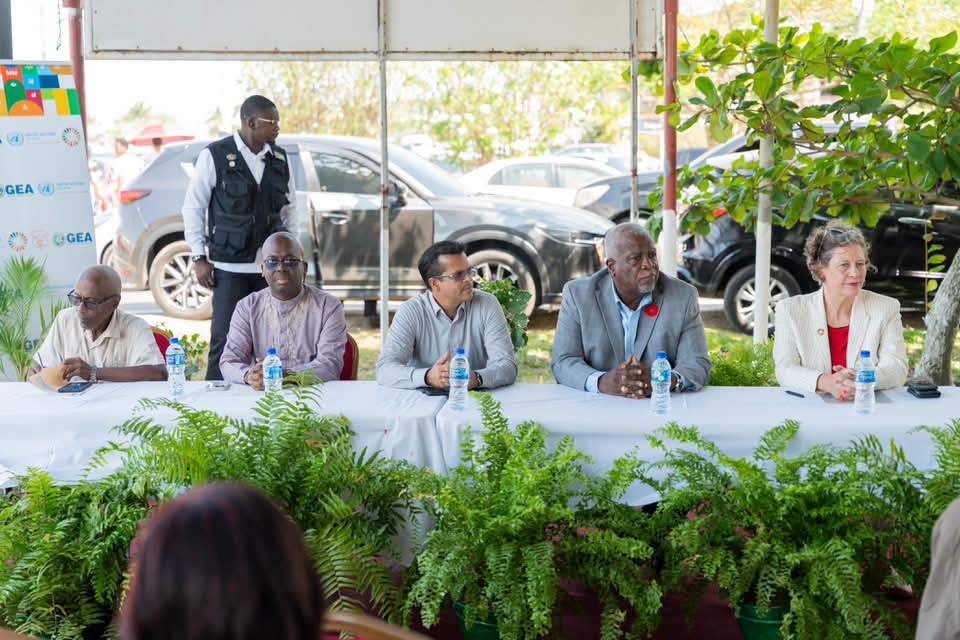
Also attending the commissioning were UNDP Resident Representative for Guyana and Suriname, Ms Katy Thompson; Chief Executive Officer of the Guyana Energy Agency, Dr Mahender Sharma; and representatives of the University of Guyana and the Board of Industrial Training.