-President Ali and VP Jagdeo Crack Down on Animal Cruelty in Sweeping 2025–2030 Manifesto
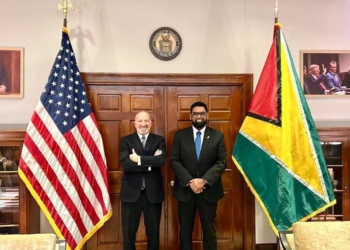
Demonstrating a strong commitment to the protection and well-being of animals, President Dr. Mohamed Irfaan Ali and Vice President Dr. Bharrat Jagdeo recently unveiled key animal welfare initiatives as part of their 2025–2030 manifesto.
The proposed measures include strengthening existing legislation, improving enforcement of anti-cruelty laws, expanding nationwide public education campaigns, and increasing support for animal shelters and rescue organisations.
These initiatives have garnered widespread support from animal welfare advocates throughout Guyana.
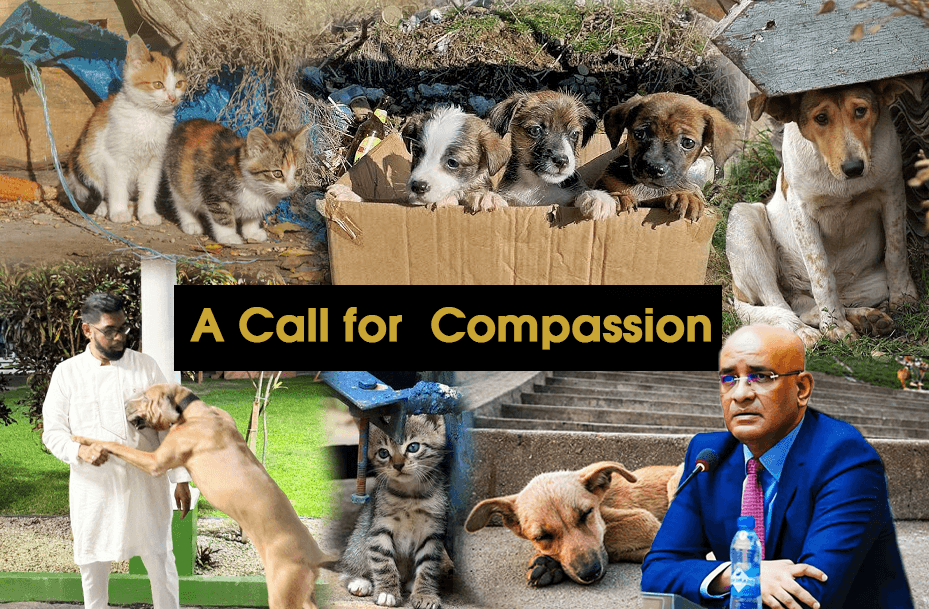
President Ali and Vice President Jagdeo’s renewed stance comes amid ongoing advocacy and fundraising efforts by animal lovers, including Guyana’s First Son, Zayn Ali, to support stray dogs, cats, and other animals roaming the streets, markets, and communities.
Many that are suffering from malnourishment, injury, or neglect were once pets, abandoned due to illness, age, or lack of resources, and others are the offspring of unspayed or unneutered animals, contributing to an unsustainable population.
“This is not just a nuisance or public health issue; it is a humanitarian and moral concern,” said a representative from a local animal welfare group.
“These animals are not wild. They are victims of neglect, abandonment, and, in many cases, cruelty.”
Unlike in some countries, animal cruelty remains a persistent and often underreported issue in Guyana. Incidents involving dogs being beaten, poisoned, starved, or tied up for extended periods without access to food, water, or shelter are distressingly common.
Although legislation exists to protect the welfare of animals in Guyana, some individuals told The El Dorado Beacon that they are aware of people who abuse animals purely for amusement.
According to them, even when such cases are reported, prosecution of the perpetrators is rare.
Both President Ali and Vice President Jagdeo have emphasised the need for a multifaceted approach to address these concerns.
Animal welfare organisations have welcomed the President and Vice President positions, noting that systemic change is essential.
“Too often, cruelty is silent. It’s the dog chained in a yard for years, the sick animal no one stops to help, or the pet left without food or water,” said a shelter manager in Berbice.
“Raising awareness is key, but we also need the backing of strong policies and consistent enforcement.” Experts agree that spaying and neutering programmes are also critical in controlling the stray population.
One female dog can produce dozens of puppies over her lifetime, many of whom will end up abandoned or euthanised due to a lack of shelter space.
Citizens are also encouraged to take small steps to help, such as offering food or water to strays, reporting abuse, donating to local rescue groups, and ensuring their pets are cared for responsibly.
Moreover, education, particularly among children, is seen as a long-term solution. “What we teach young people about empathy and kindness will shape how they treat all living beings, now and in the future,” said an education officer with a local NGO.
The El Dorado Beacon also spoke with some animal advocates who stress that the current crisis offers an opportunity for change.
“The animals on our streets are not someone else’s problem,” one advocate said. “They are part of our communities. They deserve protection and compassion. And how we treat them says a great deal about who we are as a society.”
With President Ali and Vice President Jagdeo’s commitment to prioritising and aligning with grassroots advocacy, many animal lovers are confident that this initiative is the beginning of a new chapter for animal welfare in Guyana.