In the heart of Guyana’s East Coast, winding through lush green lands and quiet farmlands, lies the Mahaicony Creek, a place where the water carries not only fish but also stories, old ways of life, and a deep bond between people and nature.
For many generations, fishing has not only been a mere hobby in the Creek, but it has also been a way of life, a tradition passed down like a family treasure.
Long ago, before concrete bridges and outboard engines, fishing in Mahaicony was simple but full of purpose. People would rise before the sun, moving quietly through the soft morning mist.
Their boats were wooden canoes, carved by hand, guided by paddles and a deep understanding of the current. Nets were stitched by families using cotton threads, and each knot in the net held a story of patience, skill, and time.
They fished with their hands, with spears, and even with traps made of vines and wood. Everything was done with care, and nothing was wasted.
These early fishers were intimately familiar with the creek; they could tell where the fish were just by watching the ripples or the way birds flew overhead.

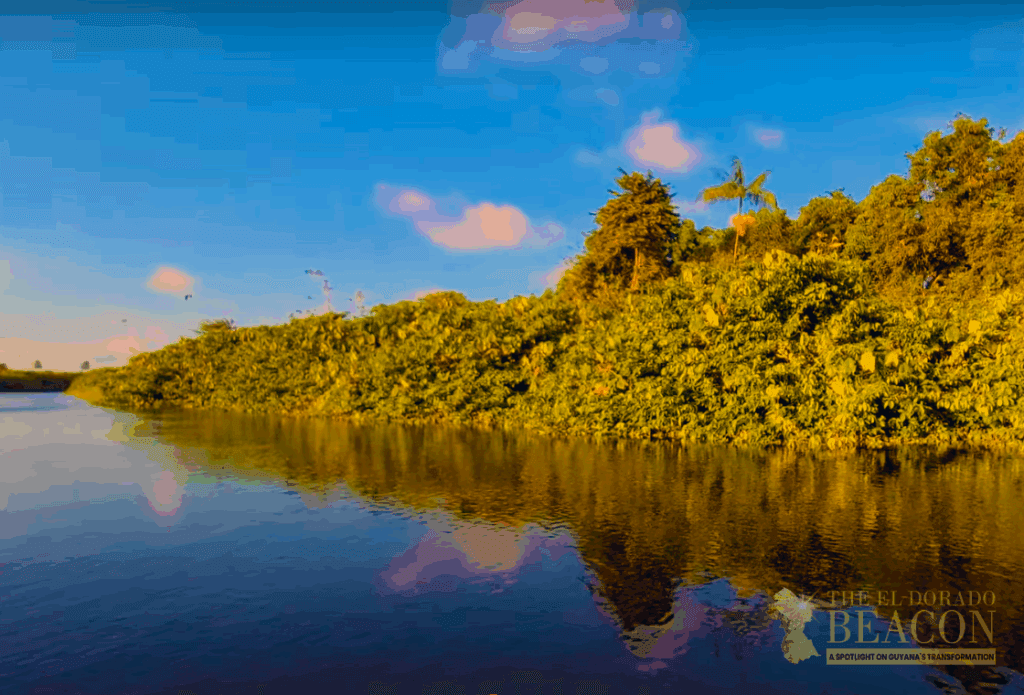
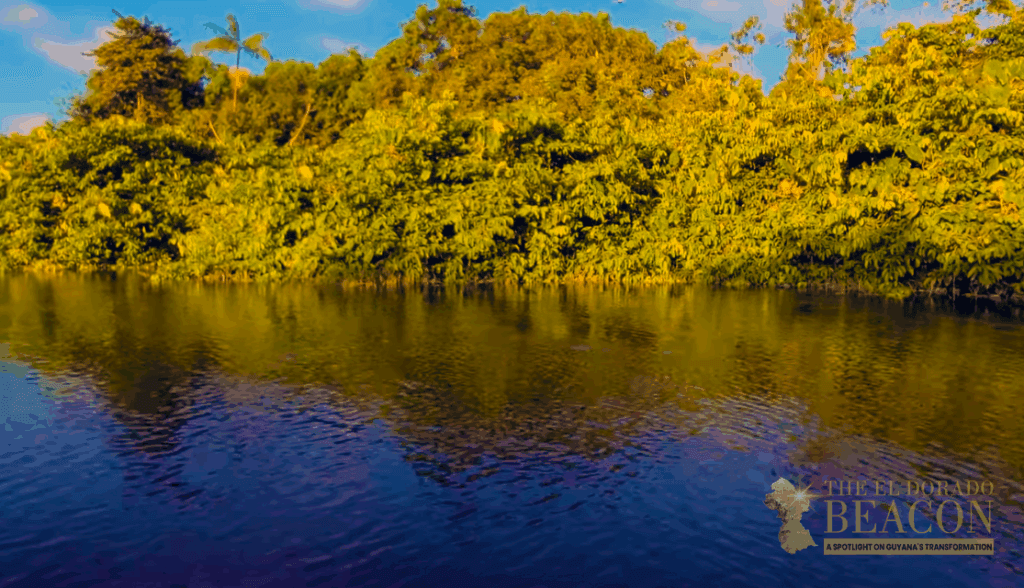


Some waited by the banks with long bamboo rods, while others drifted quietly down the creek, laying out nets. The water’s flow and nature’s rhythm dictated their days, with high tides, moonlight, rain, and wind all playing their part.
Over time, things have evolved; boats now carry small engines, and nets are made from nylon instead of cotton. There are even fish pots, wire traps shaped like baskets, designed to catch fish without the need to watch over them.
Still, the heart of the tradition remains; many in Mahaicony still fish not just to earn a living but because it is what they know, what they grew up doing, and what connects them to the land and water.
Fishing in Mahaicony is not just about the catch; it’s about community. When the catch is good, it feeds not just one home but many.
Neighbours share fish, clean them together, and even smoke them over open fires to keep them longer. Some fish are sold in nearby villages or even make their way to Georgetown, helping local markets and kitchens across the country.
The creek provides a wide range of fish, from tilapia and hassa to sunfish and the prized houri. At certain times of the year, shrimp and crabs also appear in great numbers, making it a time of joy and hard work. Families come out to help, from small children to the elderly, each doing their part, pulling nets, cleaning fish, boiling water, and more.
What makes fishing in Mahaicony Creek special is the respect for nature that comes with it. Many fishers know that if they take too much or fish carelessly, the creek will give less in return. So, they watch the seasons, they follow the old ways, and they teach the young ones to fish not just for money but with love and wisdom.
Today, fishing still plays a big role in the lives of people who live along the creek. For many, it’s their main source of income; for others, it’s how they feed their families. It supports small shops, market sellers, and even boat builders.
Beyond Mahaicony, the fish from this creek find their way to towns and tables far away, helping to support food security in Guyana.
But even more than food or money, fishing in Mahaicony gives something else: peace.
The calm sound of paddles in the water, the call of birds in the morning, the slow rise of mist on the creek—it brings a kind of stillness that’s hard to find in a busy world.
In a time when the world is changing fast, traditions like these remind us of what matters.
They teach us the value of nature, sharing, and remembering our roots.
Fishing in Mahaicony Creek is more than a job; it is a way of life, shaped by water, carried by hands, and held in the hearts of those who call this place home.