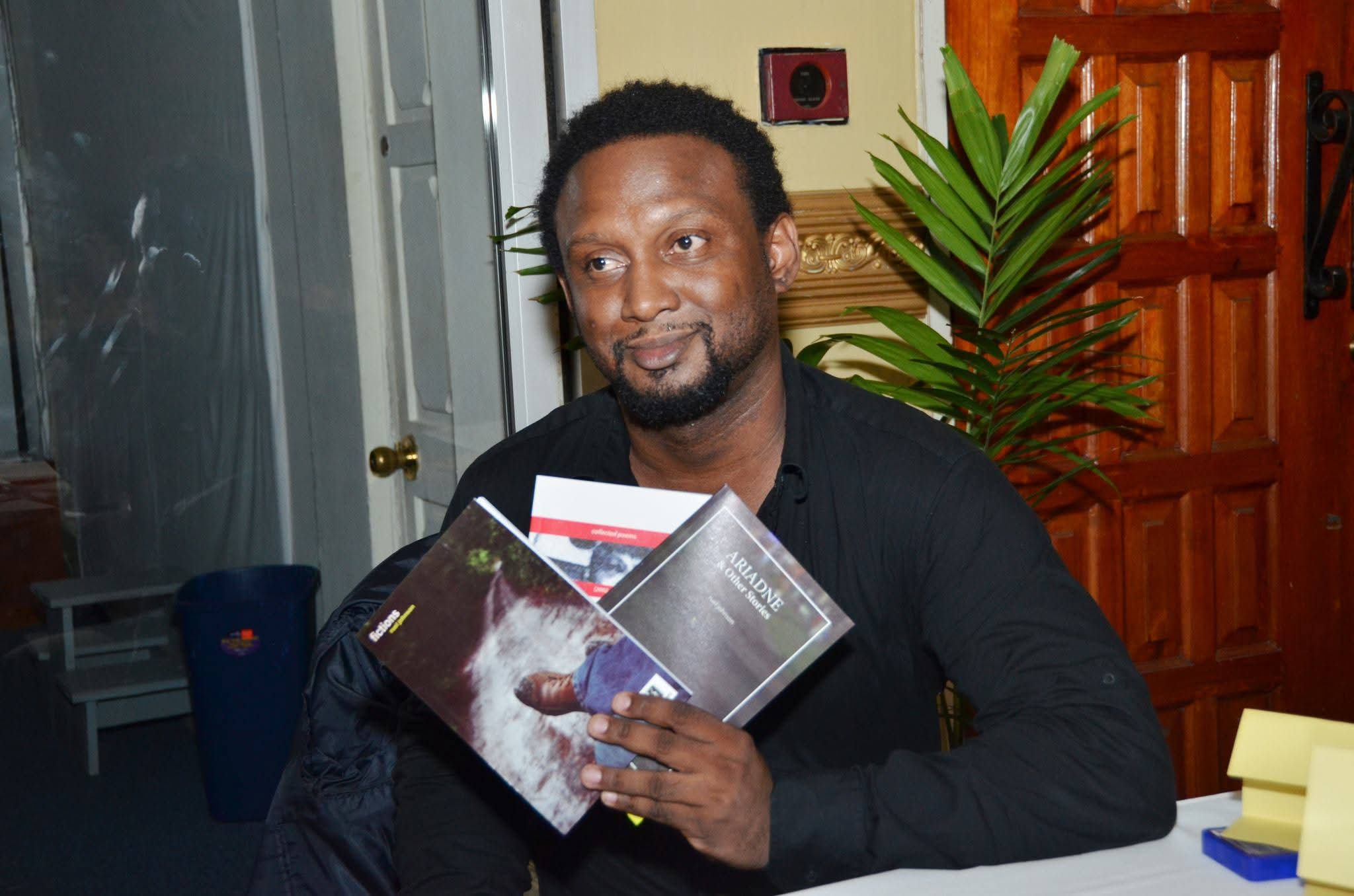
With more than fifteen years of experience spanning public policy, research and development, Ruel Johnson has built a career defined by intellect, creativity and an unwavering willingness to engage with the issues shaping Guyana.
Advisor to the President, award-winning creative writer and journalist are just some of the titles attached to his name; however, Johnson is no stranger to the Guyanese public, nor has he ever been one to shy away from expressing his views.
Whether he is speaking on politics, public policy, culture, society or the broader questions confronting the nation, Johnson is known for bringing a thoughtful, candid and often uncompromising perspective to public discourse.
His journey extends well beyond the titles he carries; it is a story shaped by experience, conviction and a profound engagement with Guyana.
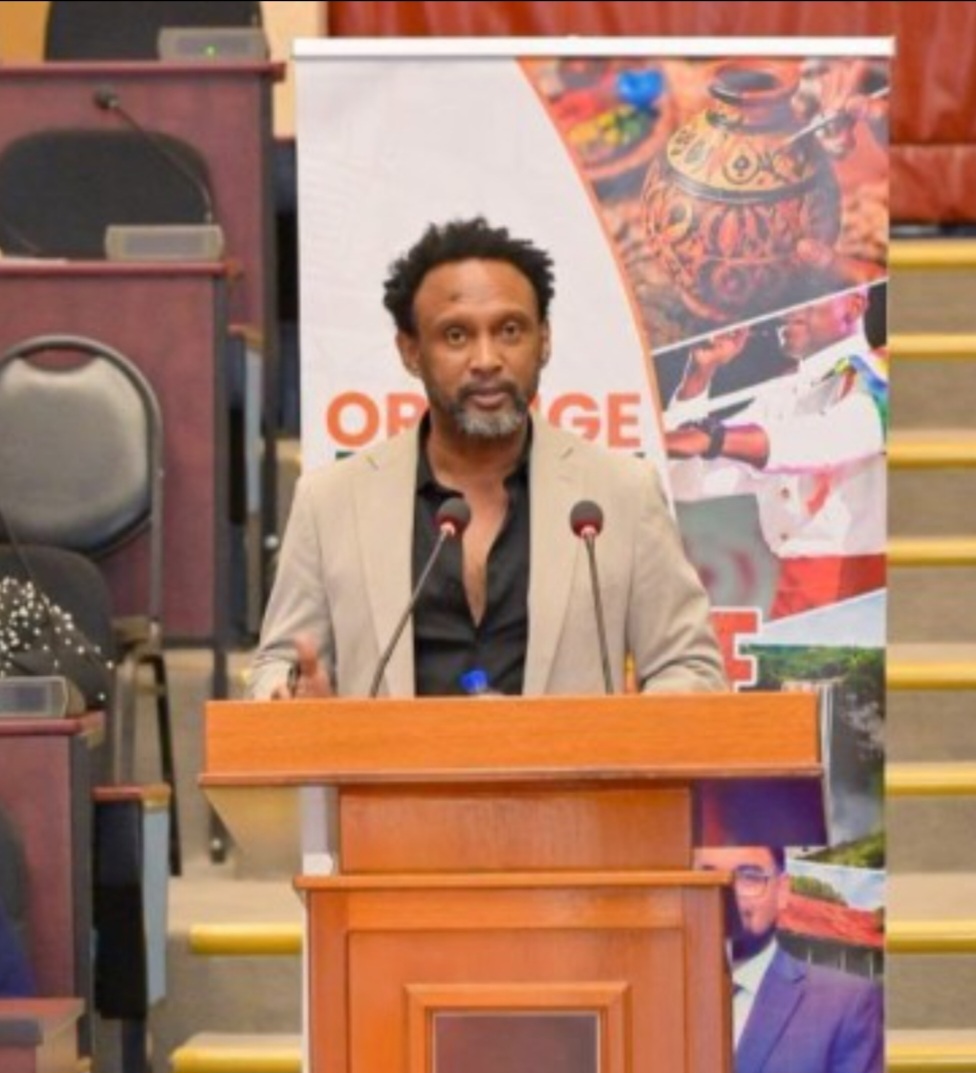
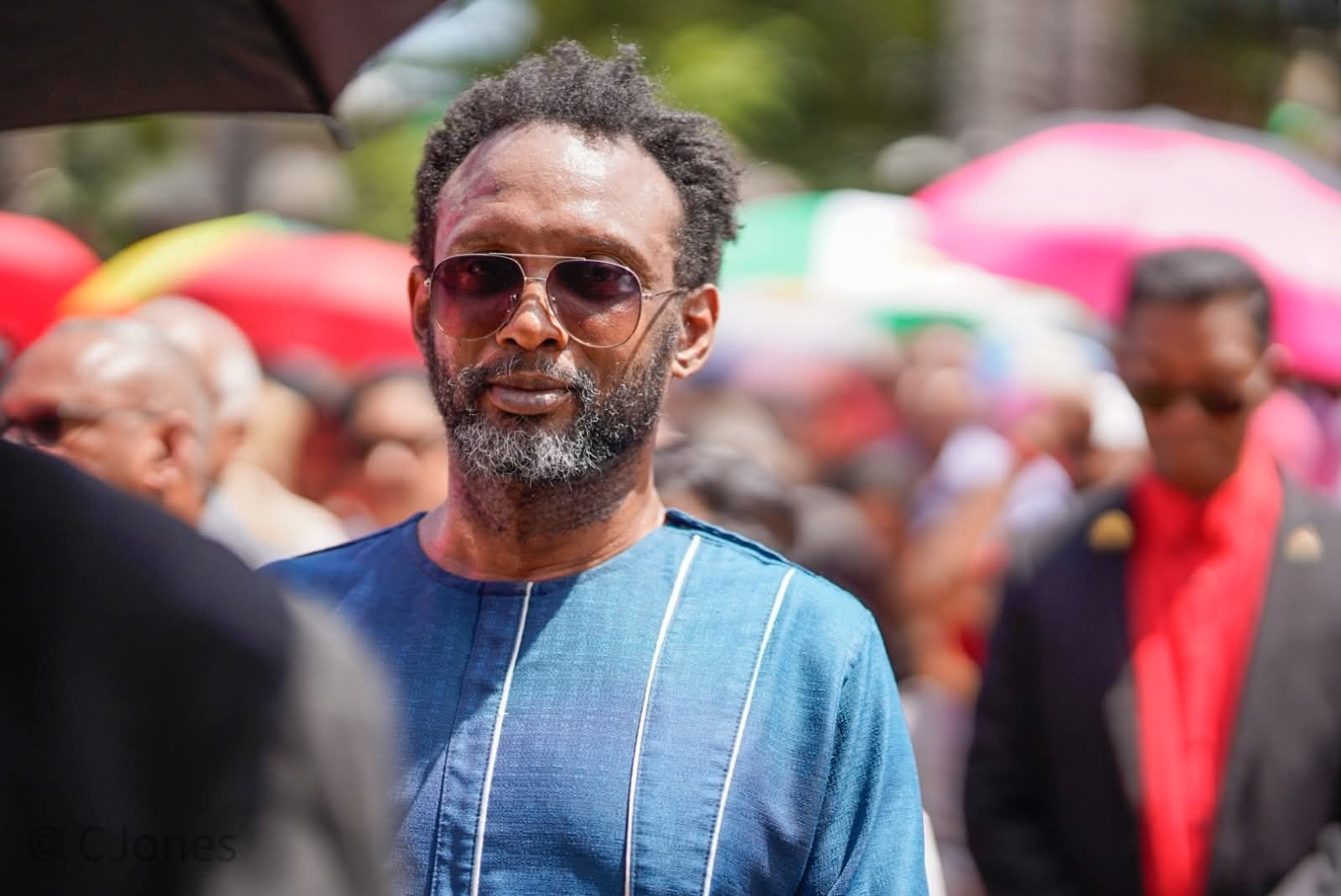
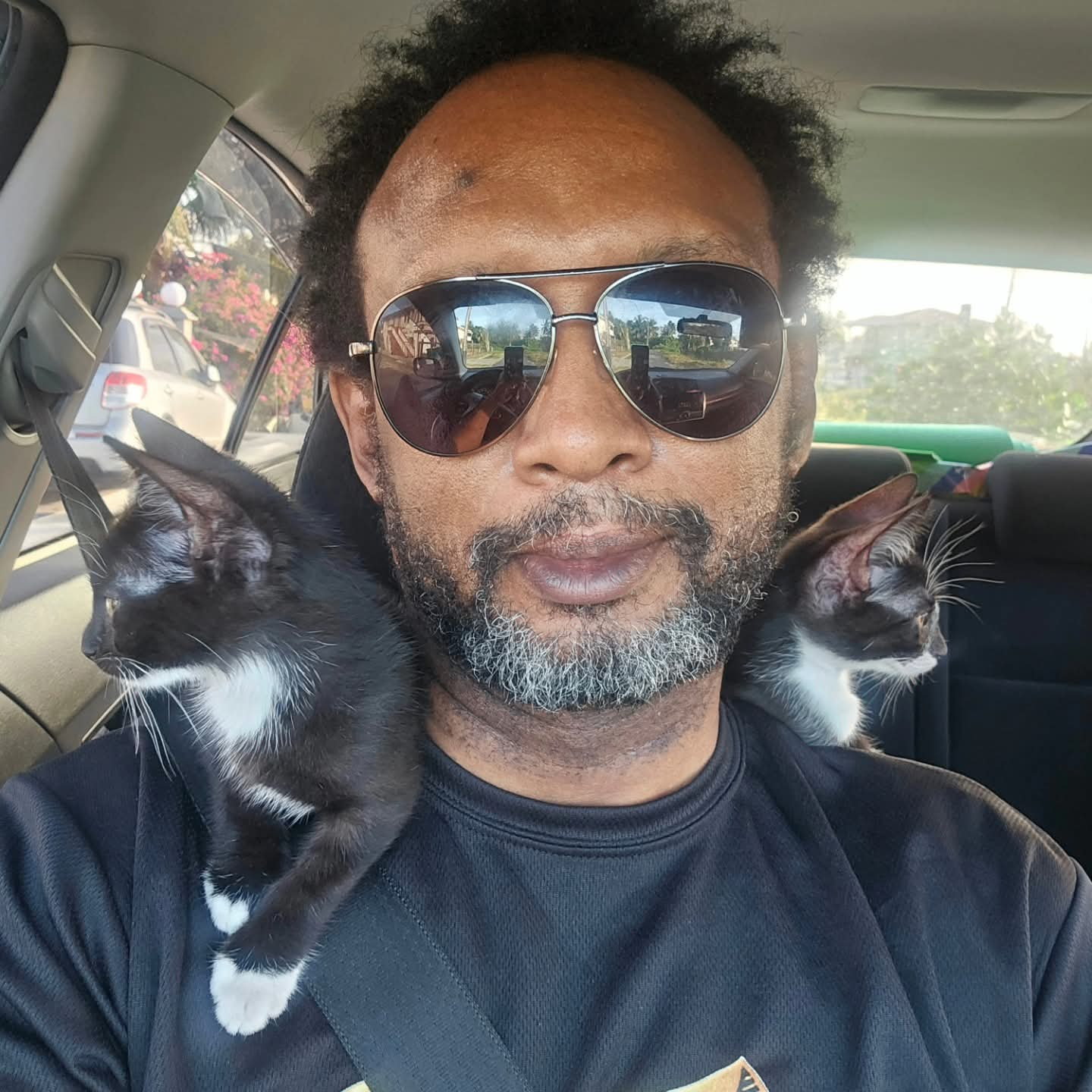
Surrounded by wonderful people and the warmth of a close-knit community, Ruel Johnson told The El Dorado Beacon that he was born into a working-class family and raised in the humble community of Tucville Terrace, Georgetown, where the values of hard work and simplicity were deeply woven into everyday life.
Reflecting on those modest beginnings, the eloquent, laid-back and well-versed Johnson shared that his father, Mr Roy Johnson, devoted much of his life to working as a taxi driver, a profession he continues today, while his mother, Mrs Pamela Johnson, dedicated herself to caring for their home and family as a housewife.
From Tucville Primary School, Johnson’s educational journey took him to President’s College, an opportunity he considers himself fortunate to have received.
As the eldest of five children, he grew up in a household where his father carried the responsibility of being the sole breadwinner.
Reflecting on those formative years and growing up during the 1980s, when many Guyanese families lived in modest circumstances, Johnson said, “When you grow up in simple circumstances within a community, I don’t think, as a child, you really know your circumstances until you have something else to compare it to.”
Nevertheless, Johnson disclosed that it was not until he attended President’s College and visited the homes of friends who were more financially affluent that he began to discern the disparities in material circumstances between his upbringing and that of others.
According to him, this period marked his first genuine recognition of his humble origins.As he entered his teenage years in the 1990s, a decade characterised by economic growth, he observed an influx of capital and a growing influence of American culture and fashion, particularly the emergence of African-American urban fashion.
At President’s College, Johnson stated that he became acutely aware of these differences through something as simple as clothing and footwear.
He noted that while some young men and women wore authentic, brand-name sneakers and apparel, such as Nikes and Jordans, others had to settle for knockoffs.
Beyond these experiences, Johnson recalled that his first encounter with a swimming pool occurred during swimming classes at President’s College.In contrast, he also observed that other children raised on the sugar estates considered access to swimming pools entirely normal.
With a slight chuckle, Johnson recalled that his earliest experience of a “pool” was the “blacka,” a section of the Lamaha Canal.
Despite his impressive academic achievements and the many accomplishments that have marked his journey, Johnson remains grounded in the roles that matter deeply at home.
As he approaches his 46th birthday, he shared that his parents, particularly his mother, continue to take immense pride in the man he has become and the impact he continues to make in society, yet her instinct to protect and worry about him remains unchanged.
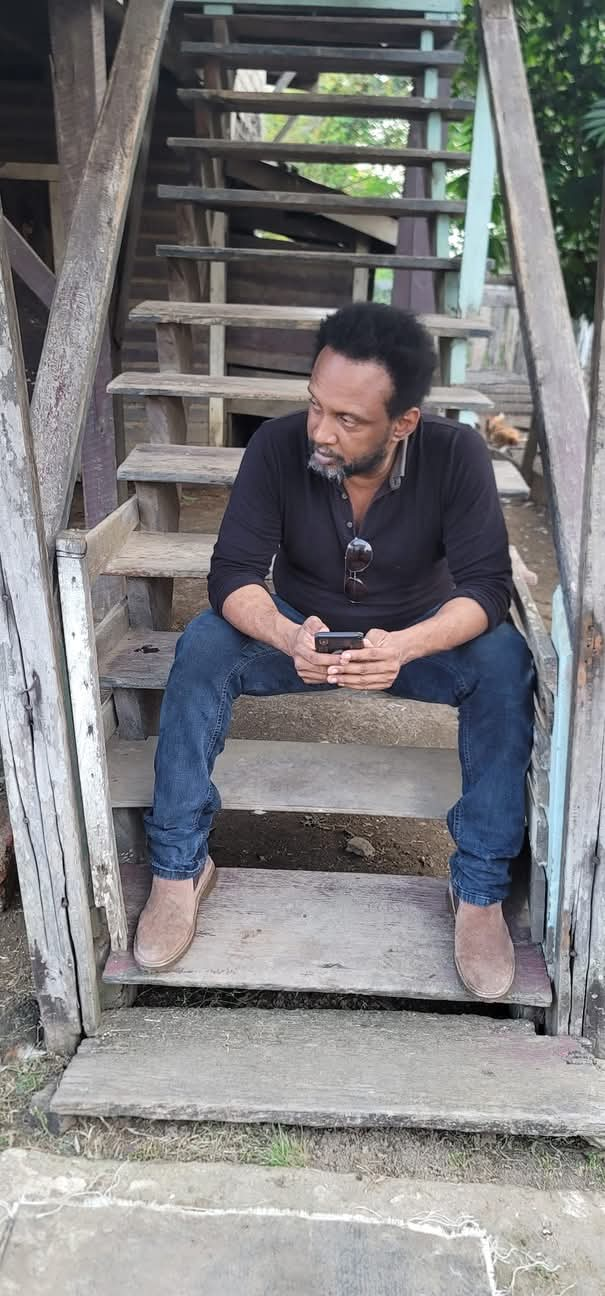
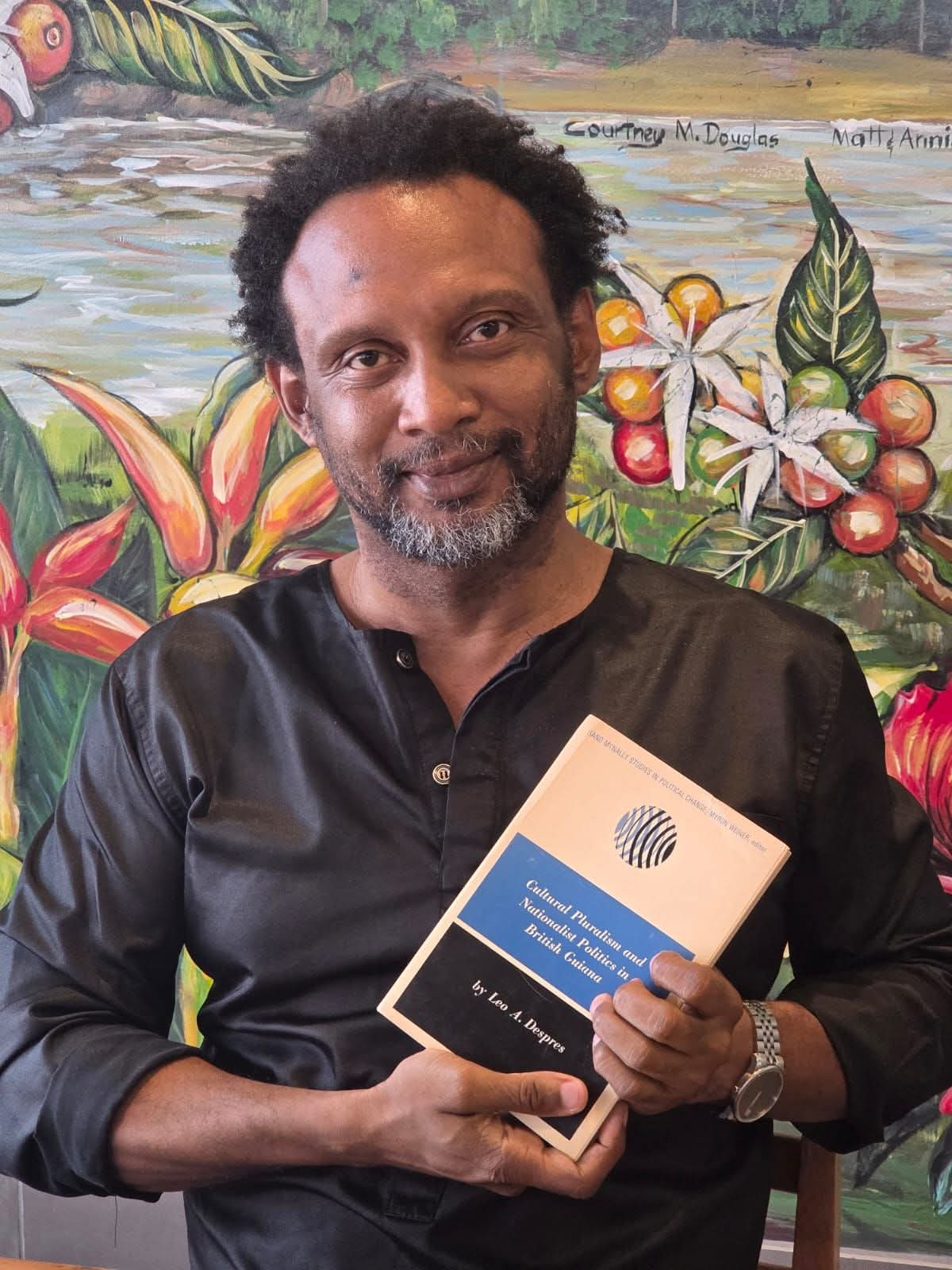
There was also a warmth in his voice as Johnson spoke of his son, 23-year-old Aidan Johnson, who is now the same age he was when he first stepped into fatherhood, marking a special moment of reflection across two generations.
Speaking from the perspective of someone who grew up in a vastly different Guyana, Johnson reflected on what he considers the greater opportunities and privileges available to young people today compared with those afforded to much of his generation.
Drawing on his son’s journey, he explained that, despite challenges along the way, Aidan attended a private school before moving on to St Stanislaus College and later the University of Guyana (UG), where his studies were supported partly through loans and partly through a staff exemption afforded through his mother’s employment at the university.
According to Johnson, “My son now is far better off materially compared to where I was at his age, and that is because of his own hard work, his commitment to his education and his determination, despite being supported by his parents and extended family.”
Reflecting on the contrast between generations, Johnson shared that at his son’s age, he did not even own a bicycle, often walking to his destination or relying on public transportation.
He explained that his son’s journey has been markedly different.
At just 22, Aidan was able to purchase his own car and later a motorcycle, achievements that were made possible through his own efforts and a rewarding career in the oil and gas industry in different technical capacities.
However, beyond those material accomplishments, Aidan’s father spoke with immense pride about the path his son chose after completing his studies at the University of Guyana.
Despite the education and support available to him, Johnson said Aidan chose to give back through teaching, taking up a position as an Information Technology (IT) teacher at North Georgetown Secondary School.
“One of the things that makes me proud when it comes to Aidan is that, with the education and support he has received, he chose to become an IT teacher for a year.
“He did not come to me and ask me to use my connections to get him a big job, even one for which he was qualified. Instead, he wanted to give back through public service,” Johnson said.
By sharing the contrast between his own upbringing and that of his son, Aidan, Johnson explained that if there is a lesson to be learnt through their stories, it is for young people to take advantage of the opportunities available to them, but not at the expense of others.
He added that it is his hope that the younger generation understands that even if their aim is to work in the top corporate offices wherever they wish, there should be no stigma attached to working in public service.
According to him, “To the young people of Guyana, we are at a time in this country where there are unprecedented opportunities for betterment of yourself; however, while I want to encourage you to work for yourself, be in service to others as well.
Do it as much as you can, whether you’re in the private sector or get a lucrative government job.
Material things will come and go, but it is a grounding feeling when you are making a difference in someone else’s life.”
Breaking the Cycle: Building a Generation Beyond Division
Recognising the powerful role that both parents and society play in shaping the values and outlook of future generations, Johnson reflected on the complexities of raising and guiding children in a society where division still exists.
While parental guidance remains invaluable, he believes the lessons taught within the home cannot stand alone.
To ensure that these values take root and endure, Johnson emphasised the need to establish a stronger and more positive societal value system that reinforces, rather than undermines, the principles parents strive to instil in their children.
“Though we have changed and evolved, the value system we are striving to create in society will not necessarily emerge from the parental guidance that exists today.
Ironically, it may be shaped by children having the courage to question and challenge some of the very values and beliefs passed down to them,” he said.
Johnson acknowledged that while parents naturally want to provide for their children and protect what they believe to be in their best interests, he also recognises the complexities that arise when deeply rooted beliefs and prejudices are passed from one generation to another.
However, Johnson believes that meaningful change will come from those willing to break with dysfunctional traditions that have persisted across ethnicity, race and economic backgrounds.
For him, that transformation requires a critical mass of people who have been exposed to a deeper sense of enlightenment, one that, at its very core, recognises a simple but powerful truth: “We are all equal.”
“Be vigilant and ensure that what is being sold as unity is the true, real thing, but equally important, be wary of people who portray something as divisive without evidence,” Johnson said.
A Purpose Greater Than the Position: Shaping a More Unified Guyana
After four years at the Ministry of Culture as a technical officer, Johnson’s journey has brought him to a role closely aligned with many of the ideals about which he speaks so passionately.
Now serving as Advisor to the President on the One Guyana Commission, Johnson explained that his ultimate mission is to help curate a pathway towards a more unified Guyana, recognising that while no one can predict the future, there is still purpose in helping to shape it.
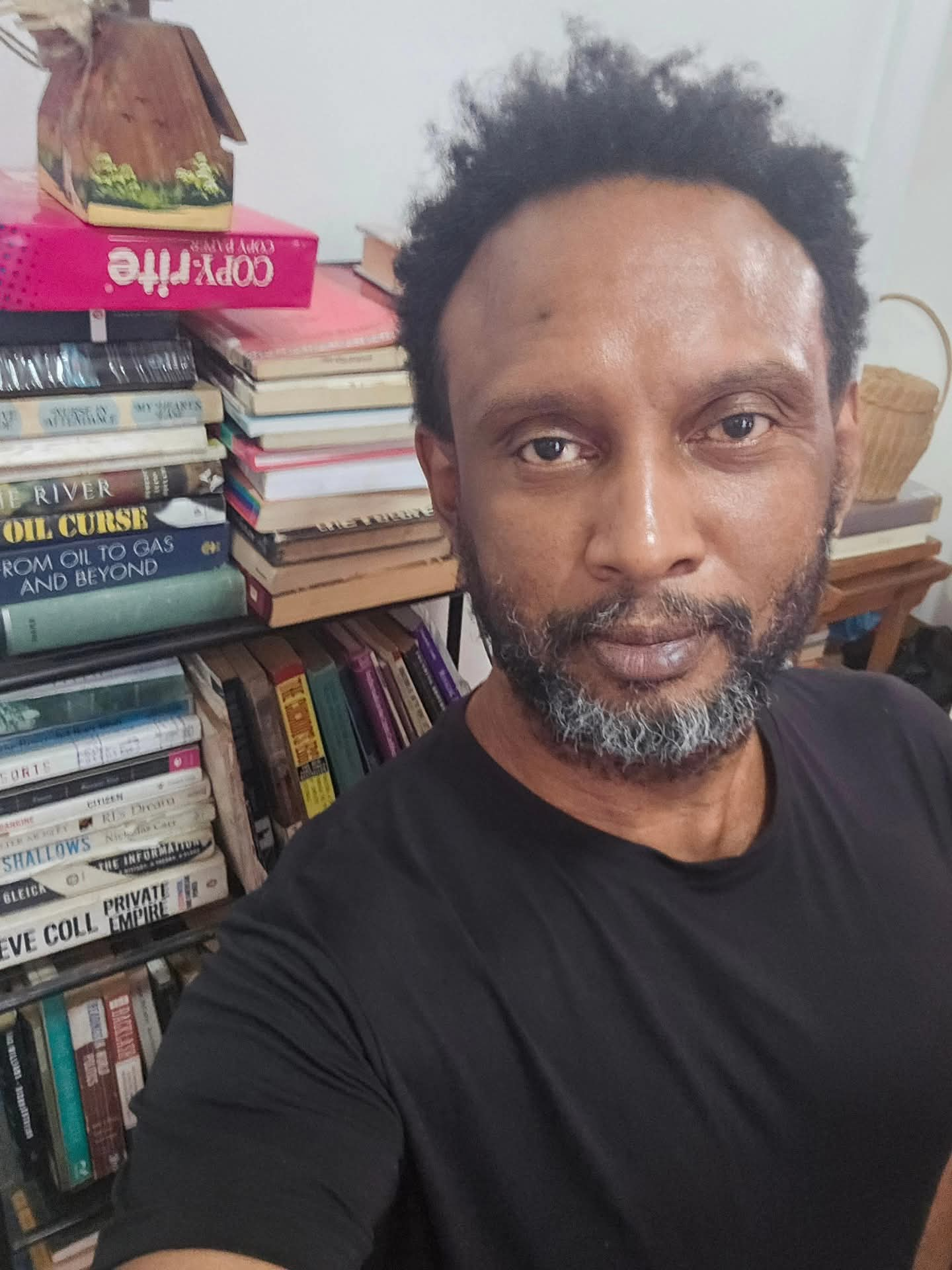

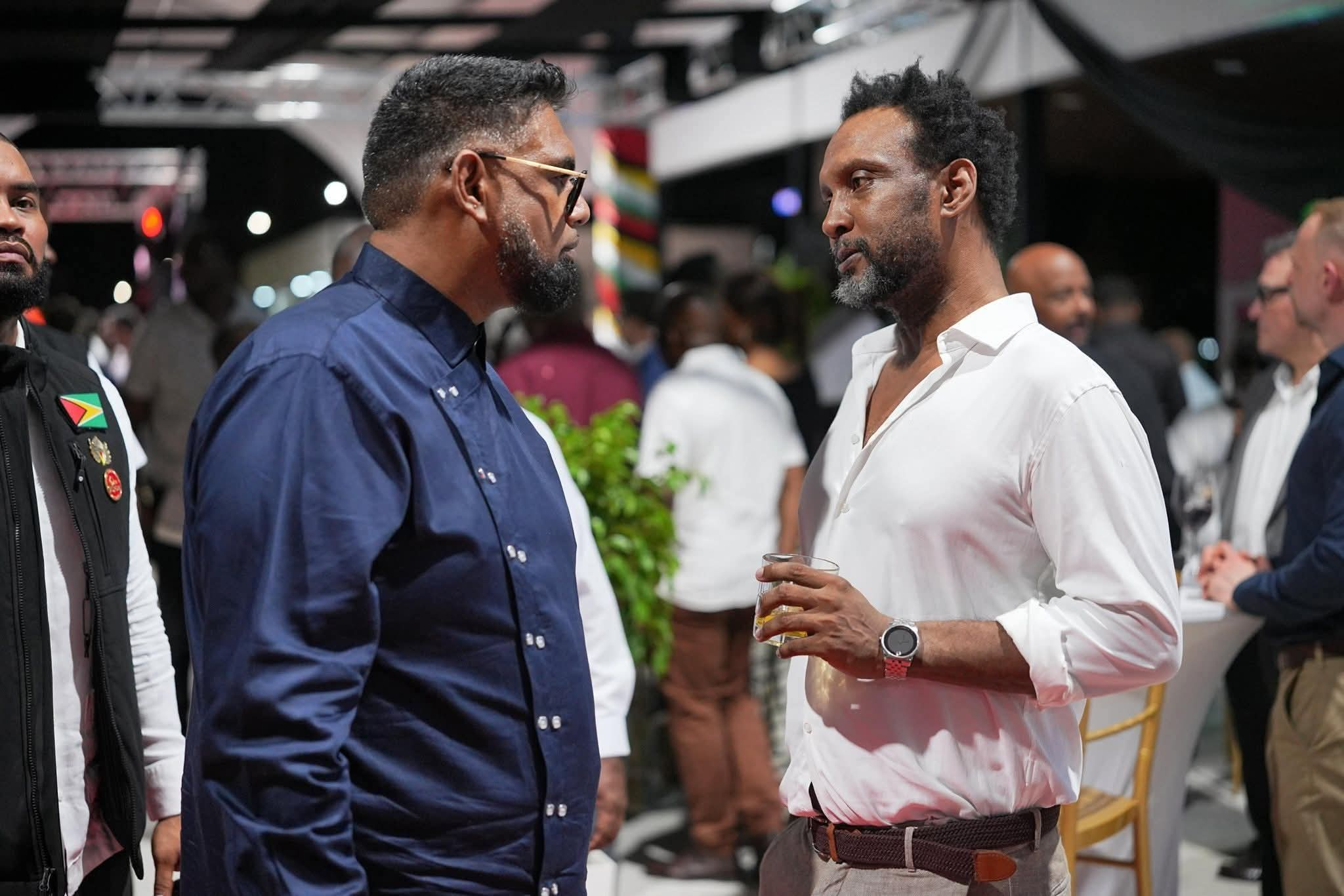
He explained, “President Ali has both a passion and a vision for social cohesion and national unity, and importantly, for pursuing that vision in a structured way.
What I find admirable about what President Ali hopes to achieve is the establishment of a long-term One Guyana Project, one that institutionalises the unity that already exists while recognising that unification itself must be a constant and ongoing process.
The instinct to divide a unitary whole is a fact of nature; it is almost cellular.
That is why we must continuously work to hold ourselves together in meaningful ways, ensuring that people are treated equally and equitably, so that as we grow as a country, we do not crumble under the weight of division.”
For Johnson, however, the vision extends beyond the establishment of a commission.
According to him, the institution shaped by the President and his team is grounded in values and driven by an empirically defined mission, one that recognises the importance of how people feel while ensuring those sentiments are mediated by reason, good sense and fairness.
As the interview drew to a close, Johnson spoke with a sense of gratitude about the work he does, stressing that it is not something he takes for granted.
Among the things he appreciates is President Ali’s accessibility, both to ordinary Guyanese and to the people who work directly with him.
“What I appreciate about the President is his accessibility.
You can call him at any time and, if he is available, he will take your call or get back to you,” Johnson said.
“But what is even more important is that he recognises the need to create structure around the work.
“The position exists because he sees value in embedding that work within the state system, rather than having it depend solely on access to him.”
For Johnson, longevity in a position has never appeared to be as important as having a sense of purpose in the work itself.
He shared that his current tenure, though perhaps not lengthy by conventional standards, represents the longest continuous job he has held.
Having occupied a similar position under the previous administration, Johnson recalled reaching a point where he felt the work lacked the authenticity he believed it required.
Although he contemplated walking away, he remained determined to see through one aspect of his responsibilities.
Once that commitment was fulfilled and his contract came up for renewal, he chose not to continue.
“I don’t envy any leader who finds themselves in the President’s position, because I understand that heavy lies the head that wears the crown,” Johnson said.
“But I see the pluses and minuses in everything, and I can say that our President is intelligent enough, but more importantly, wise enough, with an adequate team, to lead this country of ours towards a place that we have for too long moved away from.
There may be things that I don’t always agree with, but it’s nothing that has ever been so egregious that made me rethink my decision on being a part of the team.
“This is testament to the President’s own character, and he has created a ‘big tent’ in which former strong political adversaries have listened to him and endorsed him because he has proven himself at a very young age to have laid a foundation for not just his personal legacy but for a national legacy.
And out of that, he enjoys my confidence, my respect, and my admiration.”
After a conversation spanning his childhood, fatherhood, writing, public service and hopes for a more unified Guyana, The El Dorado Beacon asked Johnson one final question: What is the biggest misconception about him?
His response came with a quiet laugh.“That I am smart.”