“Recognising the warning signs, starting the conversation and connecting someone to help can make a critical difference when a person is in distress.”
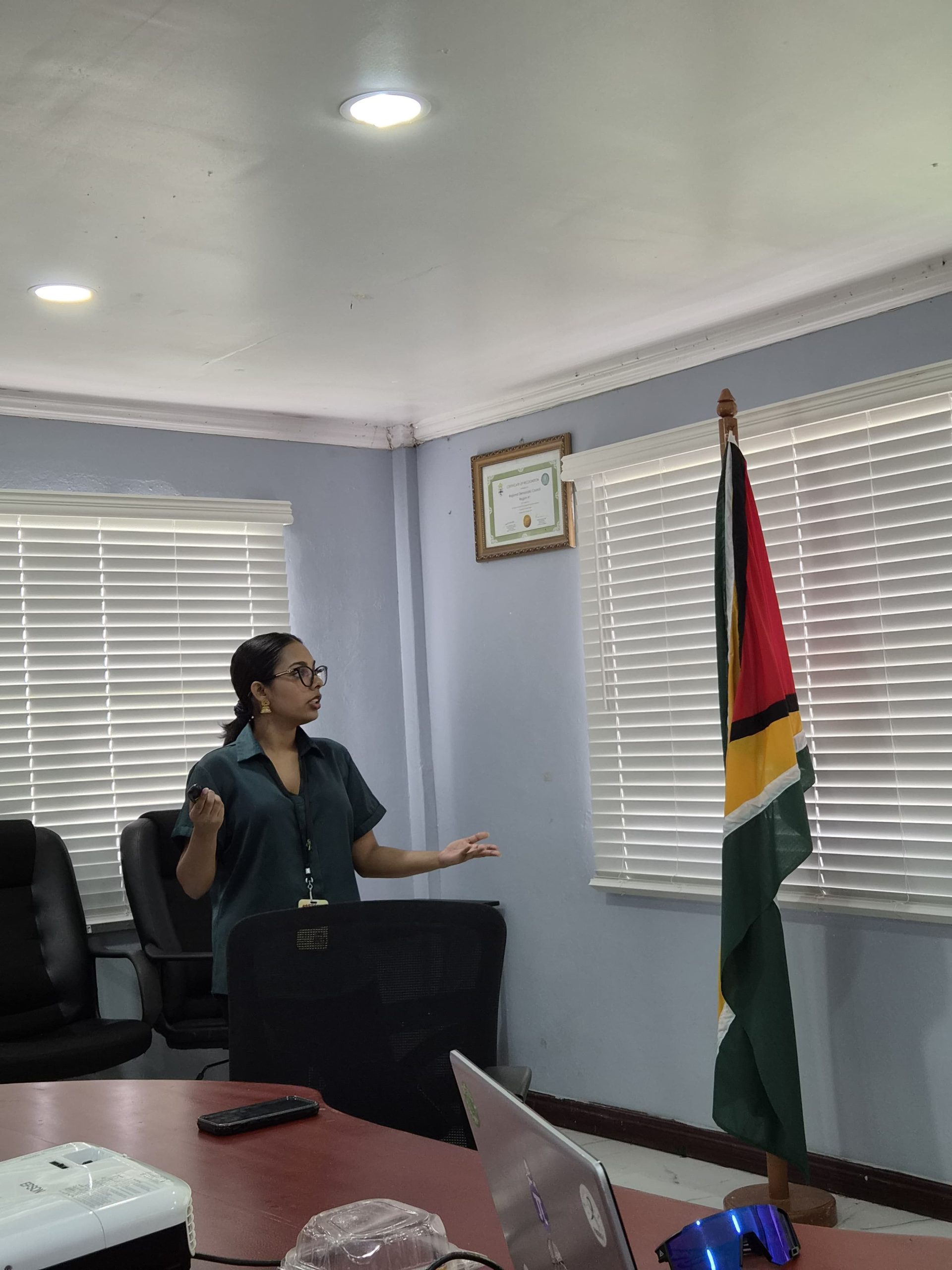
In a continued push to strengthen community-level responses to suicide and mental health challenges, the Mabaruma District Hospital, in collaboration with the Ministry of Health’s Mental Health Unit, hosted a two-day Suicide Awareness and Prevention Workshop for community gatekeepers in Region One.
The workshop, held on September 25 and 26 at the Region One Regional Boardroom, formed part of activities in observance of World Suicide Prevention Day, commemorated annually on September 10.
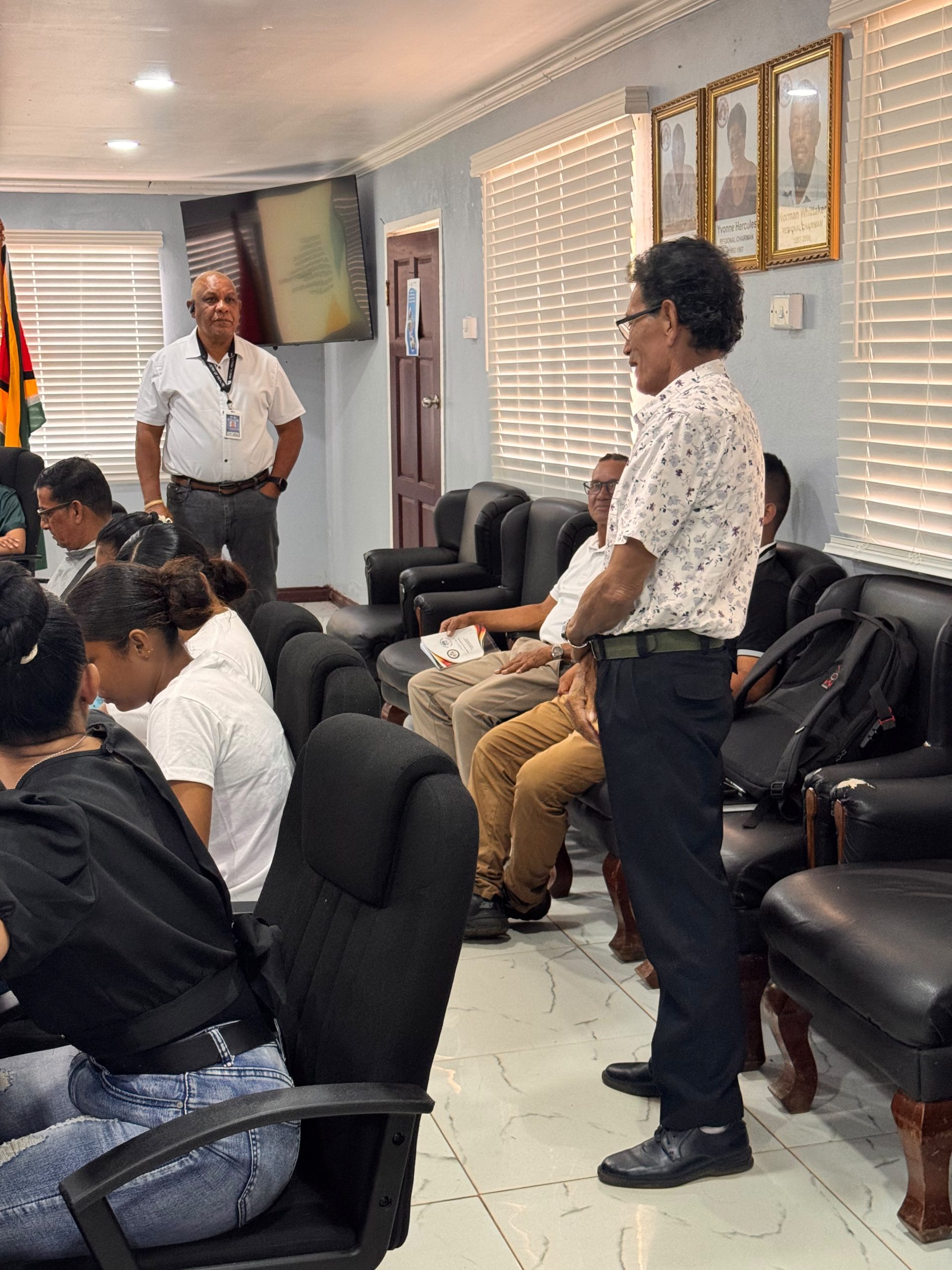
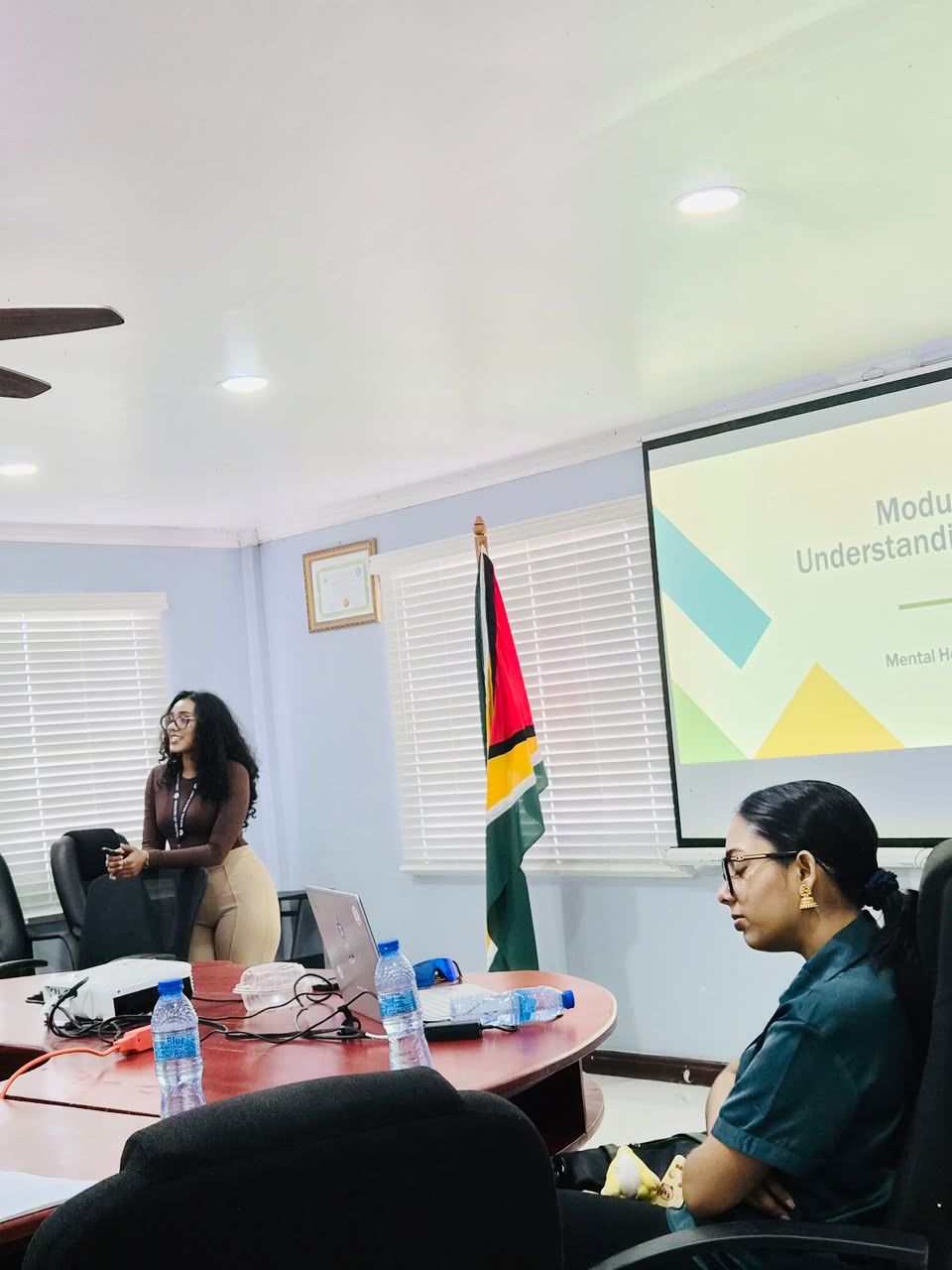
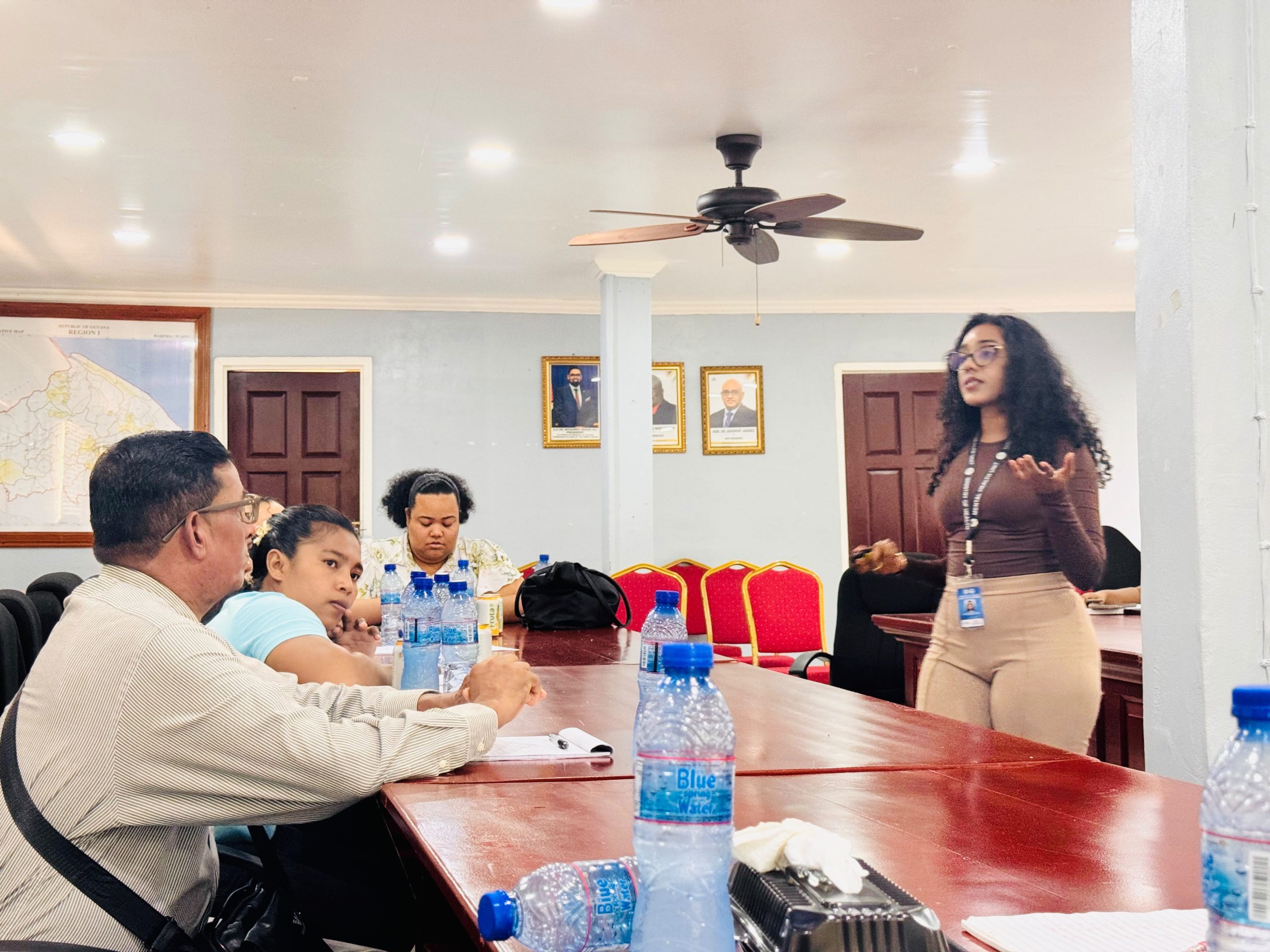


It brought together Toshaos from various communities across the Mabaruma subregion, members of the Guyana Defence Force (GDF), healthcare workers, religious leaders and representatives of civil society.
The involvement of such a wide cross-section of community stakeholders is particularly important to suicide prevention efforts, as these individuals are often well positioned to recognise when someone may be struggling and encourage them to seek appropriate assistance.
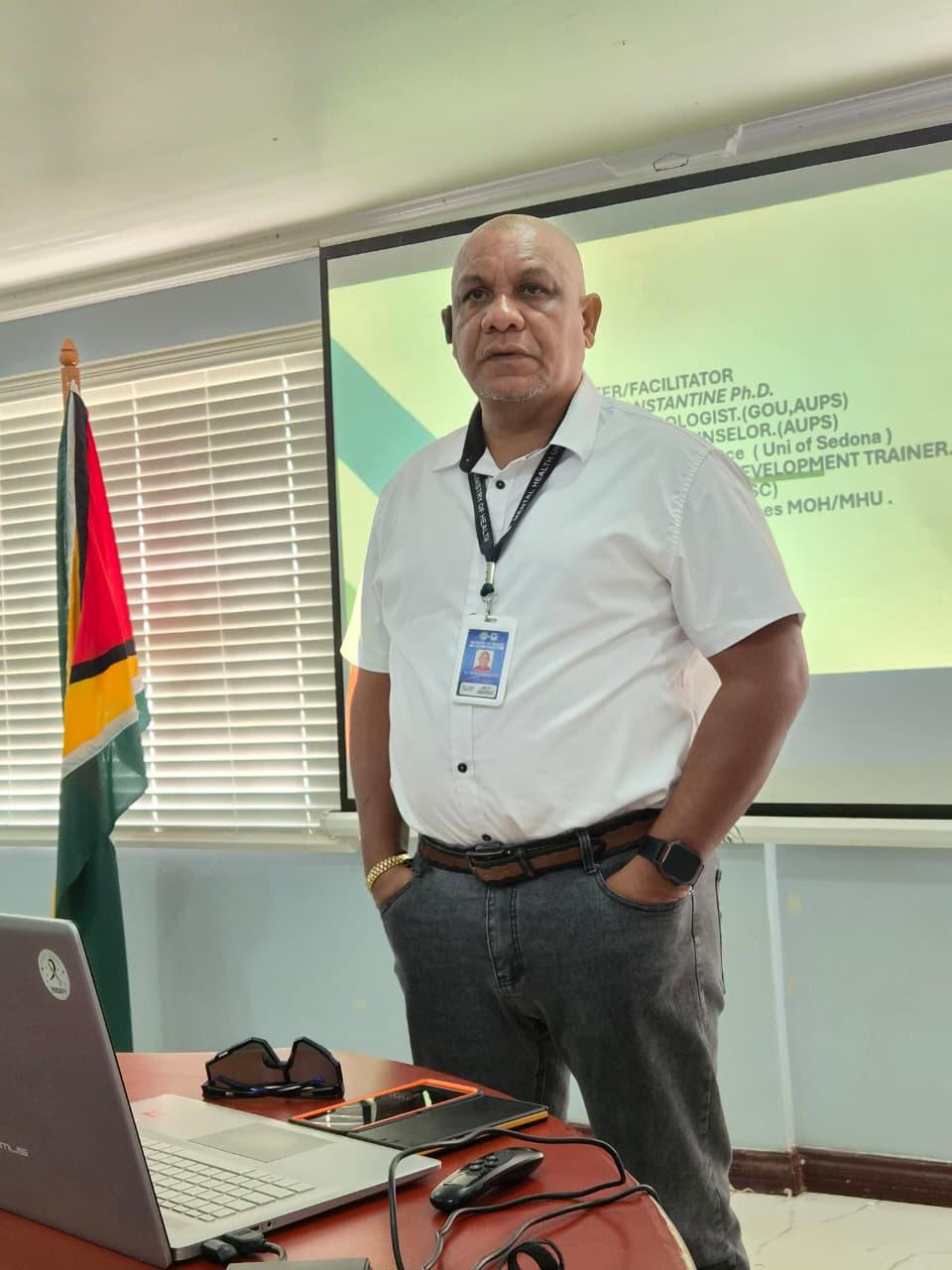
The two-day workshop was facilitated by Senior Clinical Psychologist and the Head of Psychological Services at the Mental Health Unit in Guyana, Dr Mark Constantine and members of his team from the Ministry of Health’s Mental Health Unit.
Speaking with The El Dorado Beacon, Dr Constantine explained that the programme focused on increasing awareness of suicide and prevention while strengthening the ability of community gatekeepers to recognise warning signs, respond appropriately to persons experiencing emotional distress and understand the importance of timely intervention and referral for professional support.
He further added that the initiative also reinforced the message that suicide prevention is not solely the responsibility of healthcare professionals.
Dr Constantine emphasised that families, community leaders, religious organisations, disciplined services, civil society groups and other trusted members of communities can all play an important role in identifying persons who may need help.
This community-based approach is especially significant in hinterland and remote communities, he stated where Toshaos, healthcare workers, religious leaders and other community figures may be among the first persons to become aware that an individual or family is facing a crisis.
Furthermore, he stressed that the workshop highlighted the need to address stigma surrounding mental health and to foster environments in which persons experiencing emotional or psychological distress can speak openly and seek assistance without fear of judgement.
Strengthening awareness at the community level can also help ensure that concerning changes in behaviour and other warning signs are taken seriously and that vulnerable persons are directed towards appropriate professional services, he added.
World Suicide Prevention Day is observed globally on September 10 each year to raise awareness of suicide prevention, encourage conversations about mental health and promote action to ensure that persons experiencing distress can access support.
Through initiatives such as the Region One workshop, greater emphasis is being placed on equipping people within communities with the knowledge and awareness necessary to recognise when someone may need help and to know how to respond.
The participation of community leaders, healthcare professionals, members of the GDF, religious leaders and civil society representatives also reinforces a central message of suicide prevention: protecting lives requires a collective effort, and no person experiencing a crisis should have to face it alone.