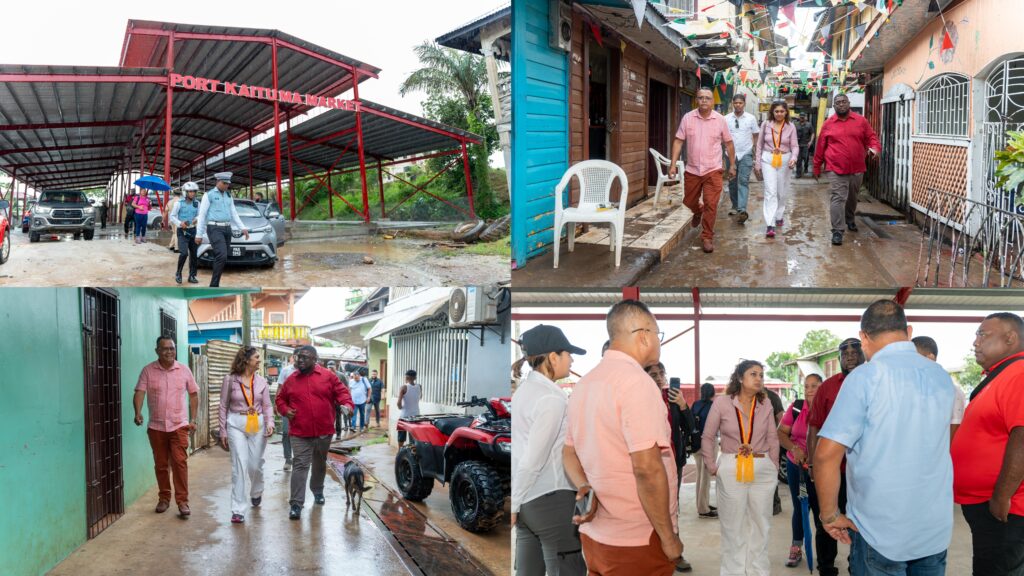
Minister of Local Government and Regional Development, Hon. Priya Manickchand, on Friday visited the Port Kaituma Market in Region One (Barima-Waini), where she engaged local officials on arrangements for the completion of the market, informed relocation of street vendors and the fair allocation of stalls in the newly constructed market.
The visit forms part of the Ministry’s ongoing efforts to improve public market infrastructure, strengthen market management and create safer, more organised trading environments for vendors and consumers across Guyana.
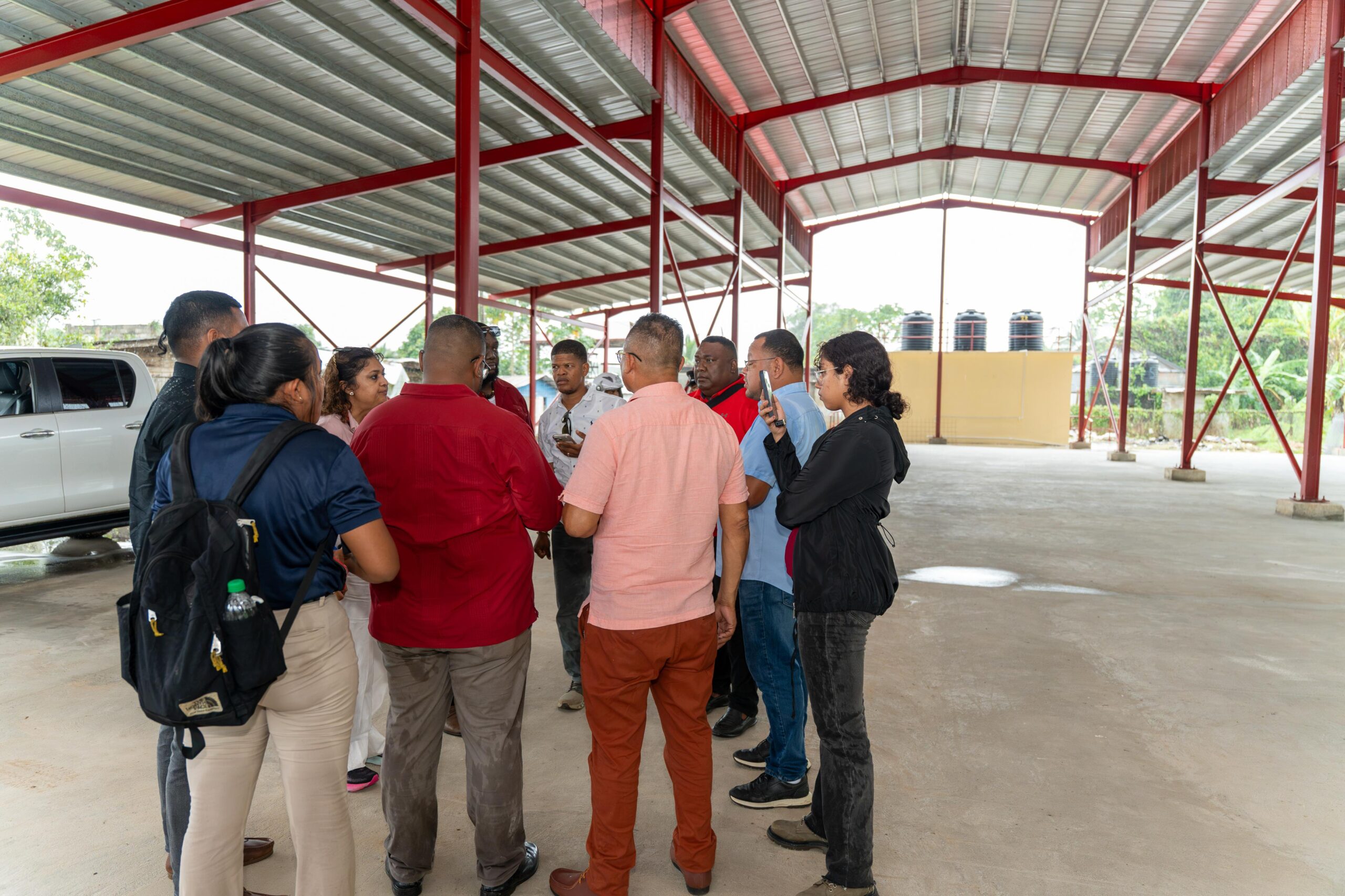




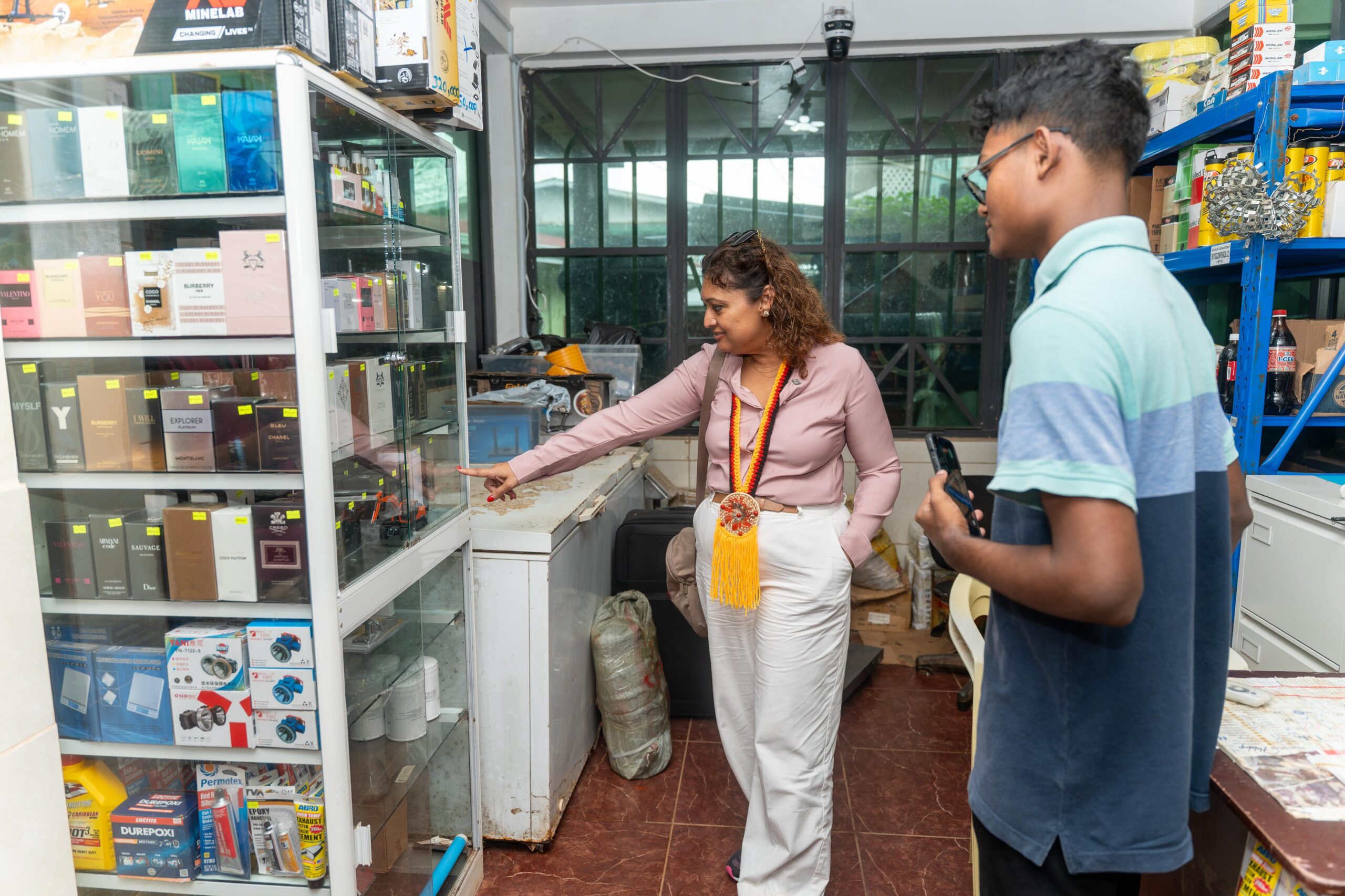



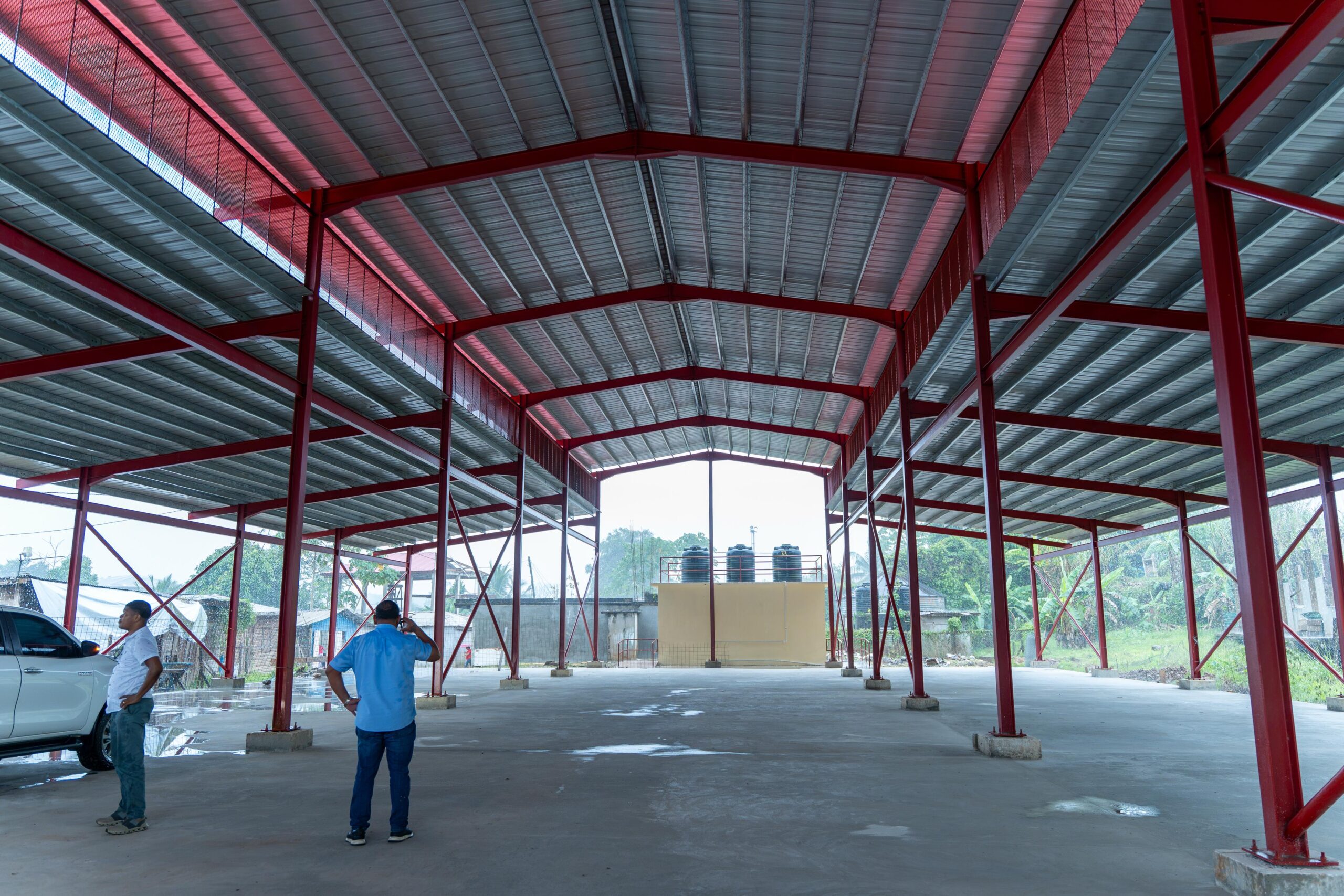


Port Kaituma serves as a major commercial centre in the Mataikai area, with its market providing an important space for trade and supporting the livelihoods of vendors, farmers and other small business operators.
Accompanying the Minister were key technical officers, including Director of Civil Works Raul Boyer, Project Manager responsible for Solid Waste, Martina Ho-A-Lim, and Head of NDCs & Regional Development, Kishana Chang.
Discussions centred on the relocation of street vendors, including persons travelling from surrounding communities such as Sebai to conduct business in Port Kaituma, and the need to establish a transparent and equitable system for allocating stalls in the newly constructed market.
Drawing on the Ministry’s experience with similar market development projects, Minister Manickchand advised the Neighbourhood Democratic Council (NDC) to undertake a comprehensive registration exercise to document the names of persons currently vending in the area, along with the types of goods they sell.
She emphasised that proper record-keeping would be essential to ensuring that existing vendors are accounted for, their trading needs are considered and stalls are distributed fairly when the new market becomes operational.
The Minister further cautioned that accurate records would help prevent disputes over stall allocation.
The exercise is intended to ensure that the relocation process is properly coordinated, that legitimate vendors are not overlooked and that the allocation of vending spaces is conducted in an orderly and transparent manner.
The engagement reflects the Ministry’s broader commitment to improving market infrastructure while ensuring that the development and management of public markets support the livelihoods of vendors and the economic activities of surrounding communities.