



-Community leader praises government support, highlights push for local empowerment and economic resilience
In the southern heart of Guyana’s Rupununi region, change is unfolding, not with fanfare, but through quiet empowerment.
For Toshao Timothy Williams of Aishalton, the government’s Low Carbon Development Strategy (LCDS) is doing more than funding projects; it’s giving hinterland communities a real voice in shaping their future.
Speaking exclusively with The El Dorado Beacon, Toshao Williams expressed deep gratitude to President Dr. Mohamed Irfaan Ali and Vice President Dr. Bharrat Jagdeo for the direct financial support that is now reaching remote Indigenous communities.
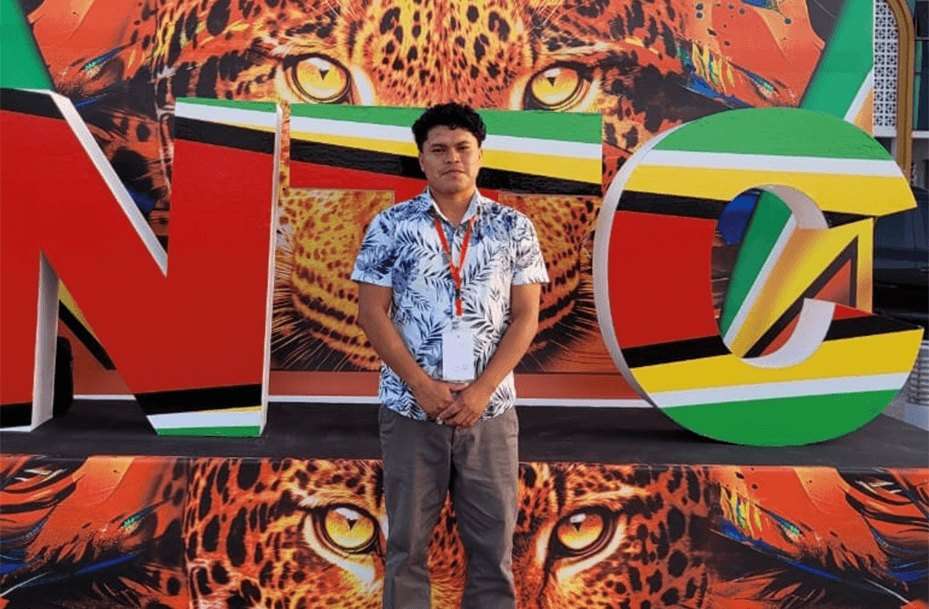
“The government has been one of the main funders of development in the communities,” Williams said.
“When it comes to the LCDS funds for my community of Aishalton, and based on my involvement with other communities and their planning processes, I’m pleased to say that we are focusing on priority areas.
Addressing community needs and identifying key areas for development.”
Guided by these criteria, the Toshao added that they have engaged in meaningful discussions with the residents and collaboratively determined the way forward.
From External Aid to Community-Driven Development
The Toshao further noted that previously, villages such as Aishalton relied solely on government funding or partnerships with NGOs.
However, he related that the LCDS funding has not only boosted their communities, but it has also shifted that paradigm.
According to him, communities are not only receiving larger allocations, but they’re also making their own financial decisions, based on their unique challenges and aspirations.
One major focus right now, Toshao Williams explained, is the ‘livelihood projects’ that are designed to strengthen local economies and ensure long-term benefits for residents.
These projects, according to the Toshao, reflect a growing commitment to economic resilience, which is particularly critical as climate variability continues to affect the region.
“We are now in a position to decide as a community how we want to invest,” Williams explained.
“And right now, our focus is on building livelihoods that will benefit our people in the long run.”
Water Scarcity and Climate Challenges
Noting that the government is currently working to expand Guyana Water Incorporated (GWI) in Aishalton and across the Rupununi, the Toshao explained that one of their top concerns is access to water during prolonged dry spells.
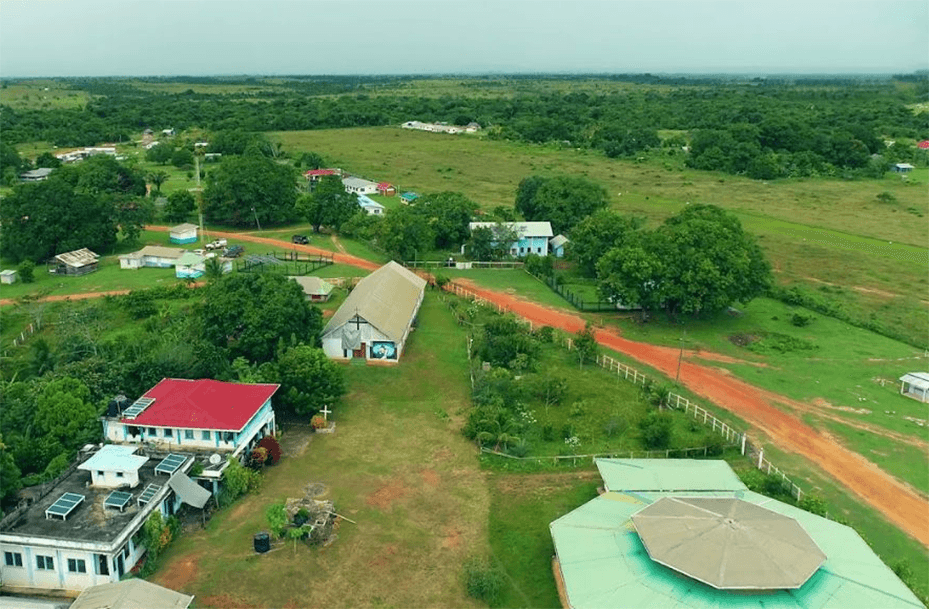
He shared that discussions are already underway to determine how the LCDS funds will help prepare for and mitigate this issue.
We recognise the unique location of our communities in the hinterland. While we await the government’s current initiative to supply potable water to each household, particularly in the Rupununi, we also understand that such efforts take time and cannot happen overnight.
However, through the LCDS funds, we can now make meaningful efforts to address this situation, efforts that go beyond development and focus on building resilience,” he said.
Moreover, Toshao Williams expressed gratitude on behalf of himself and his fellow indigenous people for the government’s thoughtfulness and contribution to the development of their communities.
He also took a moment to honour the efforts of past leaders, noting that many former Toshaos would have been proud to witness such progress.
Williams said, “Knowing the situations we were faced with in the hinterlands before the LCDS, I’m grateful we now have a government that sees the need to invest in us, and recognises that we are part of Guyana, like everyone else.”
Dr. Jagdeo: Guyana Leading Global Forest Strategy
Meanwhile, at the national level, Vice President Dr. Bharrat Jagdeo, the chief architect of the LCDS, recently highlighted Guyana’s progress at the Biodiversity Alliance Summit, held at the Arthur Chung Conference Centre.
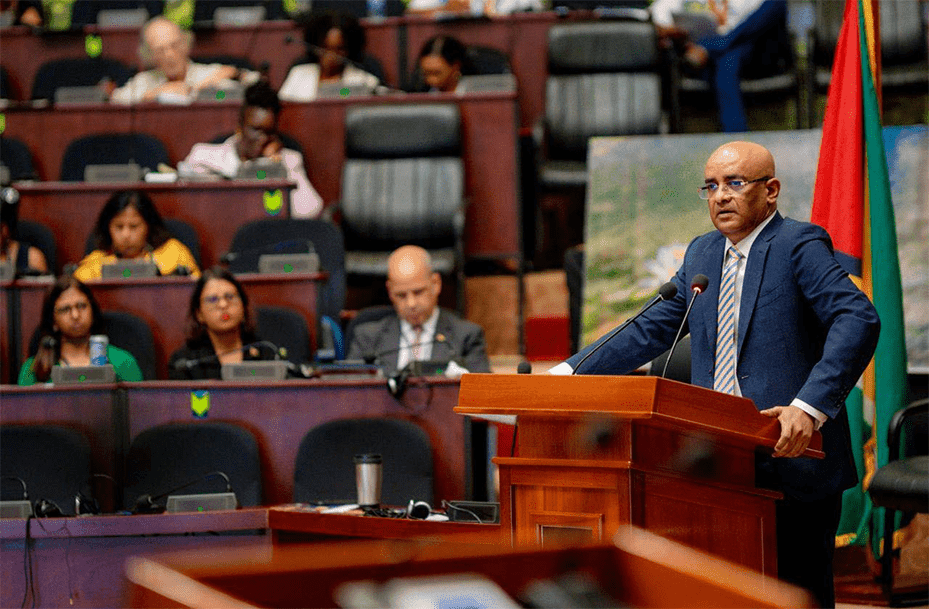
There, the Vice President emphasised that Guyana currently holds about one percent of the world’s forests and has successfully monetised 30 percent of its forest carbon, generating around US$750 million to date.
“If you extrapolate at the same price, we’d earn about $3 billion,” Dr. Jagdeo said.
Vice President Jagdeo further added that the LCDS was built on four pillars: rigorous research, a jurisdictional approach to forest protection, a robust monitoring, reporting, and verification (MRV) system, and safeguarding the rights of forest-based communities.
“You can’t preserve part of a forest…while someone else cuts down the rest,” he noted. “It had to be done at a jurisdictional scale.”
A Global Model with Local Roots
Crucially, Vice President Jagdeo stressed that development under the LCDS must never come at the expense of local prosperity.
“What we offer to the global community must not take the forest away from our people as a development tool,” he said.
As more hinterland communities like Aishalton begin to feel the impact of the LCDS, the strategy is proving to be more than a climate plan; it’s a model of inclusive development and community empowerment.
Williams and many like him see this moment as a turning point for the indigenous people and the hinterland communities.
As the Vice President encouraged, perhaps it’s time for more Guyanese to revisit the original LCDS framework to understand not just the environmental vision but the social justice it aims to deliver.
Want more stories like this?
Subscribe to The El Dorado Beacon for weekly updates on sustainable development, Indigenous affairs, and climate action across Guyana.


